How to choose the right rug size for every room in your home
A rug has the power to ground a room, soften hard flooring, and pull a colour palette together. Yet choosing the wrong dimensions is one of the most common decorating slip-ups, and almost every Australian home has at least one undersized rug floating awkwardly in the middle of the floor. Sizing a rug correctly comes down to the room's layout, the furniture within it, and how you move through the space each day. Get it right, and even a budget buy from Kmart looks intentional and considered.
Australian homes tend to favour open-plan living, polished timber or tile floors, and big glazed doors that blur indoor and outdoor zones. These features make rug selection a little trickier than in a compact European flat, since you are often anchoring several seating groups, defining zones within one large room, or protecting high-traffic areas near sand-prone entryways. Freight costs from interstate warehouses can easily reach seventy or eighty dollars, so swapping an ill-fitting rug is rarely just a quick trip back to the store. Before falling for a colour or pattern, spend a few minutes measuring your floor plan and sketching furniture placement.
Living room dimensions and anchor pieces
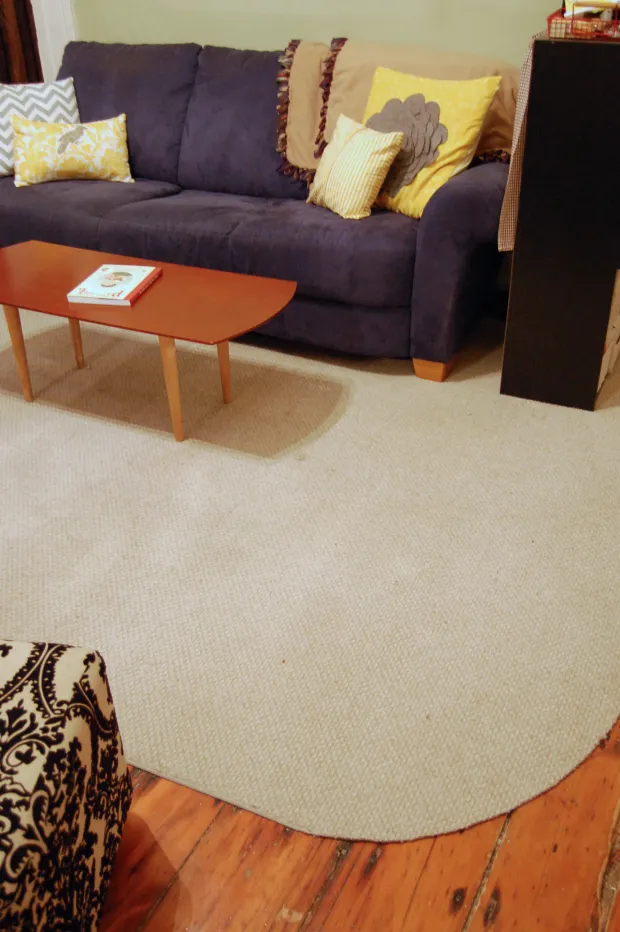
The living area is usually where a rug earns its keep, both visually and practically. In most Australian lounges, the sofa sits against a wall with a coffee table out front and a TV opposite, so the rug needs to slip under the front legs of the sofa at minimum. A rug that stops well short of the seating cluster makes the room feel choppy and fragmented, while a rug that runs wall to wall can swamp a smaller space and trip up the door swing.
| Room | Rug size (cm) | Placement rule |
|---|---|---|
| Small living room (3-seater sofa) | 200 x 280 | Front legs of sofa on rug, coffee table fully on rug |
| Medium living room | 250 x 350 | All sofa legs on rug, rug extends 30–45 cm beyond sofa ends |
| Large open-plan lounge | 300 x 400 or larger | Anchors entire seating group, leaves 30 cm border around furniture |
| Master bedroom | 270 x 360 | Rug sits two-thirds under bed, 60 cm exposed at sides and foot |
| Standard bedroom | 240 x 330 | Rug beneath lower two-thirds of bed, equal reveal both sides |
| Dining table for six | 280 x 380 | Rug extends 60 cm beyond table edge so chairs stay on rug when pulled out |
| Hall runner | 80 x 300 average | 10–15 cm of bare floor visible on each side of runner |
A useful local tip is to tape out the dimensions on the floor with painter's tape from Bunnings before buying. It is the easiest way to judge proportion, especially in newer suburban builds around the outer fringes of Sydney or Melbourne where ceiling height can make a room feel different once furniture is added. Many shoppers at Temple & Webster and Freedom now order free samples or use AR apps to preview a rug at scale before committing.
Bedroom rug strategies
Bedrooms call for a softer approach. The most flattering layout places a large rug beneath the lower two-thirds of the bed so your feet hit something warm the moment you step out in the morning. In compact guest rooms or kids' bedrooms, two smaller runners on either side of the bed often work better than one oversized rug that crowds the doorway or fights with the door of a built-in robe.
For Australian homes with ceiling fans and ducted air-conditioning, a low-pile wool or cotton rug slides nicely under the bed without creating a trip hazard. In a Queenslander with wraparound verandahs, a textured jute or sisal in the main bedroom mirrors the natural materials used on the decking, helping the indoors flow toward the outdoor entertaining areas. Kids' rooms benefit from washable cotton rugs or chunky knit floor cushions that soften playtime without sacrificing easy cleaning.
Dining areas and open-plan living
Dining zones demand the most generous rug sizing of all. Every chair needs to remain fully on the rug even when someone leans back, crosses their legs, or stands up to serve. Measure your table, add at least 60 centimetres on every side, and round up to the nearest standard rug size. A 200 x 280 rug suits a small round café table for two, while families hosting long Sunday lunches typically need a 280 x 380 or larger.
Open-plan living is the default in most new estates around Marsden Park, Cranbourne, and Mickleham, where the kitchen, dining, and lounge share one long space. In these homes, two rugs of complementary tones can quietly separate the zones without resorting to walls or awkward furniture placement. A patterned rug under the dining table and a more neutral, hard-wearing rug under the lounge seating reads as deliberate styling rather than clutter, and helps define the flow from kitchen to outdoor barbecue area.
Hallways, entryways and narrow zones
Long hallways are a feature of Victorian terraces in Fitzroy and Paddington, Queensland workers' cottages in Brisbane, and many California bungalows in the inner west of Sydney. A runner anchors the corridor, dampens foot traffic sound, and protects timber boards from scuffs. Standard runner widths sit between 70 and 90 centimetres; aim to leave a strip of about 10 to 15 centimetres of bare floor visible down each side so the hallway still feels balanced rather than swallowed by pattern.
For narrow entryways near the front door, a small, low-pile mat made from recycled fibres or printed cotton handles sand, mud, and the daily grind of school bags dropped at the end of the day. If your home opens onto a tiled laundry or bathroom, choose a washable rug that can handle the humidity of coastal air. Pairing a soft runner with the gold and white bathroom palette keeps the transition between rooms feeling curated rather than accidental, and a slim entry runner stops sand from travelling further into the house.
Materials, shapes and shopping tips for Australian homes
Once the size is sorted, think about fibre and shape. Australian-made wool rugs are a smart buy for cooler climates and last decades with care, while polypropylene and viscose blends suit busy households with kids and pets. Coastal homes from Byron down to the Mornington Peninsula benefit from flat-weave cotton rugs that breathe well in humid air and wash easily after summer storms roll through. In colder parts of Tasmania or the Adelaide Hills, a high-pile wool rug adds insulation over cold tile.
Round rugs soften the angles of square rooms and work beautifully beneath circular dining tables or in front of a freestanding bath. Runners and oblong rugs suit longer rooms, while square formats feel at home in compact studio apartments and granny flats at the back of the yard. Shopping secondhand has become a clever way to find unique pieces, and the same rules apply when buying secondhand furniture, since you should check for odours, stains, and rug backing deterioration before committing to a vintage find.
A quick word on styling: layering a smaller patterned rug over a larger neutral base creates depth and hides wear in high-traffic zones, and offsets the cost of a quality base rug. Browse the crafting tutorials for DIY binding techniques if you want to resize or finish a vintage find yourself. With the right dimensions locked in, a rug becomes the quiet hero that holds the whole room together, no matter the style of home you call your own.