A productive home office designed around your work
Designing a Home Office That Boosts Productivity is less about finding a perfect desk and more about shaping the conditions your mind needs to concentrate. A focused room reduces visual clutter, supports the tasks you repeat, and lets work boundaries feel clear even when the office shares a home with family life.
The strongest spaces are tailored rather than copied. They account for the chair you already own, the calls you take, the paperwork that arrives by post, and the Australian weather outside. A practical plan can still feel warm, personal and creatively stimulating, whether the room is a dedicated study, a corner of a rental, or a converted garage.
Start with the work you actually do
Begin by listing what you do during a typical week. Separate deep concentration, computer tasks, calls, paperwork and short administrative jobs, because each benefits from a different setup. Note where interruptions come from and whether you need to screen a door, share a printer or keep reference material within reach. This inventory prevents a decorative office from becoming a workspace that fails on ordinary Tuesdays.
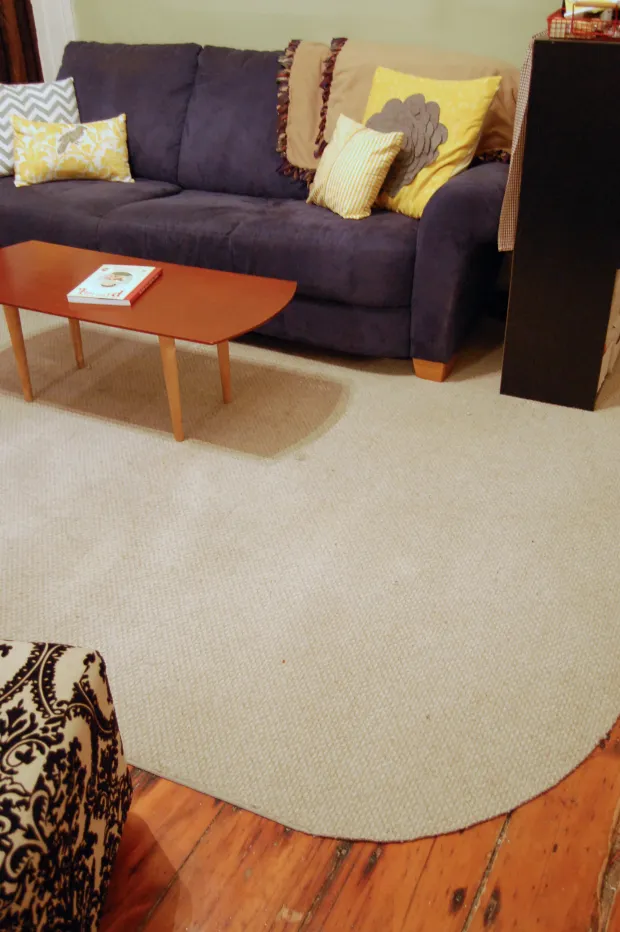
If no spare room is available, divide the area into activity zones rather than filling it with matching furniture. For studios and multipurpose bedrooms, zoning ideas without partitions shows how lighting, rugs, shelves and changes in desk orientation can create boundaries without blocking a window. Keep digital work at one edge, calls near acoustic cover and wet materials away from the keyboard.
Australian floor plans often reward this restraint. A narrow Sydney terrace may offer a bright front room but little closet space, while a Melbourne laneway apartment can combine living and work under one roof. In both cases, shallow storage, a slim desk and movable screens preserve circulation. Build around the room’s usable wall lengths instead of forcing an online “standard” office layout into it.
Build a layout that protects focus
Map movement before buying anything. The chair should pull back without hitting a wall, the door should open without catching a cable, and a screen used for calls should sit where household traffic will not appear behind you. A small table can mark the transition into work for people who share a room, while a floor lamp can define a reading area in the same space.
Choose furniture that fits your body and the room’s limits. A wide desk may look generous in a showroom yet leave no space for a forearm to rest or a folder to open. Sit at the proposed chair for twenty minutes, then check whether your feet are supported and whether the screen is at eye level. Australian shoppers can compare task chairs through Officeworks, storage systems at IKEA Australia and adaptable pieces from Bunnings, but comfort should guide the final choice.
Finish the plan with a visual system that keeps distractions out of your sightline. Hide bins, chargers and rarely used equipment in closed storage, leaving only daily objects visible. The broader collection of room styling inspiration can help with everything from gallery walls to desk displays, but each item should earn its place by adding warmth, usefulness or a connection to your interests.
Choose furniture for Australian homes
Measure the clear floor area twice, including the space occupied by the chair when occupied. For a dedicated office, the desk should generally be deep enough for a laptop, documents and a lamp without becoming a storage surface. If two people share it, give each person a defined place for equipment. For occasional use, a closed cabinet can become the entire workstation when the day ends.
Materials should suit real habits. Wool, cotton and timber add warmth under Australian light, while metal and glass can keep a small room visually open. For a custom credenza that will be wiped often, a specialist explanation of a quartz shower bench demonstrates the appeal of dense, non-porous quartz: few visible pores, straightforward cleaning and a premium finish. Ask a local stonemason whether a quartz offcut can form a narrow desktop or cabinet top, and check the weight before choosing supports.
Treat cable management as part of the furniture, not a later accessory. Run leads through a cable trough beneath the desk, group the power board within short reach of the chair and leave enough slack to move a laptop. Route charging cables along a wall so they cannot cross a walkway. A drawer with divided compartments can keep adapters and stationery together while preserving the clear surface needed for focused work.
Control light, heat and noise
A productive room uses light to direct attention rather than illuminate every corner evenly. Place an adjustable task lamp opposite the main desk task to reduce shadows, and add a warm, diffused source for evenings. Keep screens perpendicular to bright windows where possible, since glare often causes more strain than an overly dim room. Switchable lamps also let the space shift quickly between paperwork, video calls and winding down.
Seasonal comfort matters in Australia. Brisbane’s bright, humid summers can make a western-facing room unpleasant by late afternoon, while Melbourne’s rapid weather changes can turn a desk toward a cold window in winter. Use a blind that filters glare without blocking the view, position the chair away from obvious draughts and let the building’s heating or cooling take priority over decorative ventilation. A ceiling fan can improve perceived airflow without using valuable desk space.
Do not sacrifice fresh air to create a silent office. Soft-close drawers, felt pads beneath equipment and a fabric screen can soften sharp sounds without making the room feel boxed in. If the window overlooks a small garden, turn the outlook into a rest cue rather than a distraction; the practical steps in a pollinator-friendly small yard show how low-maintenance native planting can make even a narrow outdoor space more engaging. Keep visually busy planting away from the direct line of the monitor.
Bring nature into the workday
Plants can soften hard furniture, add texture and create a restorative point of focus. Choose varieties that suit the available light and the room’s temperature, then use a mix of heights rather than crowding the desk. A plant on the floor can anchor a corner, a trailing plant can soften a shelf and a small pot near the hand can make a routine task feel calmer. Keep allergens and pet safety in mind when selecting greenery.
Growing plants from seed makes the office feel active without filling it with large containers. The indoor seed starting guide explains how to prepare containers, maintain moisture and introduce seedlings to stronger light gradually. Start with a small batch, label each variety clearly and remove anything that cannot cope with the room’s conditions. A modest collection that thrives will look better than an ambitious display of struggling plants.
Use views as part of the work design, not merely as decoration. Sit for a few minutes with the screen lowered and look beyond it to a tree, street or patch of sky. This gives tired eyes a different focal distance and can provide a natural pause between demanding tasks. For a home with no outdoor outlook, a well-composed print, a changing display shelf or a small indoor plant can produce a similar visual rhythm without adding construction work.
Build a repeatable daily system
Give the room a simple opening and closing routine. At the start, clear the previous task from the desk, check the day’s priorities and close the door if noise is an issue. At the end, return supplies, note unfinished items and wipe the surface. Repeating these actions makes the space ready for the next session and removes the small decisions that otherwise encourage distraction.
Technology should support the layout rather than dictate it. If calls are frequent, use headphones and place a microphone on a small stand near the working position. Keep charging equipment in one drawer, but position the laptop on a stand when a separate keyboard is used so the screen can be raised comfortably. Save meeting links in one calendar, mute notifications outside work periods and create a visible signal that communicates availability to the rest of the household.
Measure success by the work that happens in the room. A room-styling checklist can record lighting, storage, chair support, electrical access and the daily sequence of tasks. The free checklist and design walkthroughs on Jeeze Julia’s site provide a useful basis for testing a layout before spending on furniture. Keep the elements that reduce friction and adjust only what proves unhelpful. When lighting, storage, comfort and boundaries work together, productivity becomes a property of the space rather than a test of willpower.