Designing a kid's bedroom that transitions to teen years
A child's bedroom is usually designed for a five-year-old: low shelves, bright walls, a plastic tub of blocks. Then somewhere around year eight it has to become a study, a hang-out spot and a place to charge a phone at midnight. Australian families reach that switch at different ages, and plenty do it in the smallest room in the house — a box room in a suburban Sydney or Brisbane home, or a bedroom in a Melbourne apartment where every centimetre counts. The way through is to stop designing for the child you have and start planning for the child you will have.
Teens here want more than a bed and a wardrobe. They want a desk that looks serious, somewhere for a gaming headset, a hook for a school blazer and a footy jumper, and light that lets them work late without waking the house. They also want the room to look like theirs rather than a nursery with a teenager's things dropped into it. That shift in expectation is why so many families gut a perfectly good room at twelve, then gut it again at sixteen.
The fix is to separate what changes from what stays. The shell — walls, floor, window covering, lighting — should be chosen for the next decade. The furniture should move, grow or convert. Everything else, including colour, artwork, bedding and desk clutter, should be the layer you can rewrite in an afternoon with a ladder and a few dollars. This approach stretches the budget too, because you are refreshing a room rather than rebuilding one.
This guide follows that structure: the bones of the room first, then surfaces and finishes, then furniture, storage, light and the safety details Australian homes are expected to meet. There are buying and DIY shortcuts along the way, including where to find secondhand pieces and how to get paint right the first time. Jeeze Julia's free room-styling checklist is a useful companion if you would rather work through it box by box.
Start with the room's bones
Measure before you buy anything. Wall to wall, ceiling to skirting, then note the window width and sill height, the door swing, the position of power points and switches, and whether there is a built-in robe or bare walls. Aspect matters more here than in most other countries: a north-facing window in Australia pours summer heat across the floor, while a west-facing room in Perth can be brutal by three o'clock in January.
In a compact apartment the door is often the biggest problem. A hinged door eats a square metre of usable floor, so swapping it for a sliding or cavity door can change how the whole room works — check with your landlord first, since Victorian and NSW tenancy agreements can differ on alterations. Skirting boards and architraves are worth photographing too; many Australian homes have them, and matching paint to existing trim makes a new wall look older than the house.
Decide what stays before you start. Polished timber boards can be sanded and refinished, carpet can be lifted to reveal vinyl underneath, and tile can often be painted with proper preparation. Keeping the floor saves money and stops the room looking brand new in a way that dates quickly. If you are working over bare boards, add a cushioned underlay so the floor is kind to knees and quieter during early-morning homework.
Surfaces and finishes that age well
Keep the shell calm and let the personality live in the movable layer. A warm off-white ceiling, one main wall colour and matching skirting and architrave will make a small bedroom feel larger and flatter, which is exactly what a room full of changing posters and bedding needs. Getting the sheen right matters as much as the colour, and our guide to choosing paint finishes explains where matte, eggshell and satin hold up in busy spaces.
Eggshell or satin on walls that get touched constantly is a forgiving choice in a teenager's room, while flat matte on ceilings keeps the light soft. Buy a sample pot and test it on the wall with the least sun, because Australian light changes the tone dramatically through the day. Bunnings will tint to a code, so keep the label on the can — you will need it the morning a teenager decides the room should be moodier.
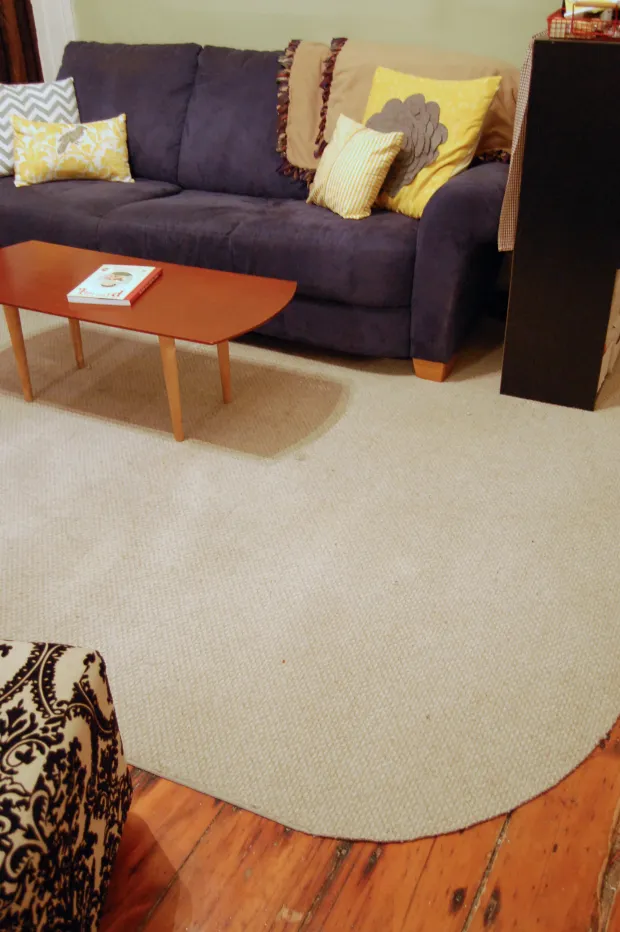
Soft furnishings deserve the same long-term thinking. Heavy wool throws and deep pile rugs look wonderful but run hot through an Australian summer and are hard to clean, so look for washable cotton or cotton-jute blends that survive a spilled marker. A rug with a defined edge in a neutral tone grounds the room and can be swapped when the colour scheme changes, which is far cheaper than lifting flooring.
Furniture that works at two ages
A bed is the piece most likely to need a second life, so buy one with a second life built in. A trundle bed, popular in compact Australian homes, gives you a daytime play surface and a guest bed for cousins; a bunk that converts to a single keeps the same footprint for years. Storage-box bases take the place of a separate toy chest and can later hold sports gear, board games and school bags. Secondhand frames are plentiful on Gumtree, Facebook Marketplace and local op shops, and a tired frame can be sanded and repainted in a weekend.
The desk is the other workhorse, and a fixed height stops working quickly. An adjustable-height desk with a decent task chair gives you a toddler's colouring spot now and a proper study station later. Make sure it has a shelf for a monitor and a place to run a cable, because Australian homes often have only one double socket per room, and an extension board trailing across the floor is a trip hazard.
Think about the odd pieces as well. A low table becomes a puzzle bench, a shelf for trophies and somewhere to eat, and if you are styling one, the advice in styling a coffee table is worth borrowing for the layering. Keep flat-pack fixings and instructions in a labelled bag so the furniture can genuinely be reconfigured, and choose soft modular seating a teenager will not feel embarrassed to keep.
Storage for clothes that change size
Storage is where growth really bites. Standard Australian kids' sizing runs roughly four to fourteen, then hands over to adult and plus sizing, and a wardrobe planned for a ten-year-old can be useless within two years. Measure hanging space in centimetres rather than counting garments: a single hang needs roughly 1500mm of rail for adult-length clothing, a double hang about 1200mm, and a narrow rail suits folded jeans and t-shirts far better than full-length coats.
When a child moves past the standard range, the size charts on Plus Size Crush are a useful cross-check before you commit to a wardrobe or an order of school uniform. Planning by body measurement rather than age also pays off, because growth spurts are uneven and two children of the same age can need completely different amounts of rail space.
Fit the storage to the room rather than the other way round. Bins under the bed, a deep drawer for activewear, hooks on the back of the door and a narrow shoe shelf cover a surprising amount of ground without a fitted robe. Renters should check their agreement and landlord before drilling, and where drilling is not allowed, rated adhesive hooks and over-door organisers do most of the job.
Light, colour and letting them take over
Lighting is the most overlooked upgrade and the one teens notice first. Australian homes are expected to have a controllable light near the bed, and a dimmable bedside lamp on a reachable switch lets a teenager study at midnight without turning on the ceiling fitting. During the day, a roller blind with a fabric insert or a UV-filtered screen keeps heat and glare out of a north-facing room, while external awnings handle the job better than any blind hung inside.
Colour is best kept in the removable layer so it can be renegotiated without paint. A neutral wall with a cork board, a pin rail or picture-ledges that lift away cleanly gives a teenager somewhere to put their own things, and the display can be rewritten every term. Australian themes travel well here: vintage surf prints, topographic maps of the coast, hand-drawn botanicals and old footy posters all sit comfortably on warm white and timber.
If your teen wants a darker, moodier room, board it rather than paint the walls. A sheet of plywood or a reclaimed panel fixed with removable fixings creates a feature area in a deep tone that can come down in minutes when the taste changes. Curtains, a rug and a full bookcase also soften sound, which matters in a house where a fourteen-year-old is learning guitar in the next room.
Safety, budget and keeping it working
Safety rules are stricter than most parents expect. Smoke alarms are required in every bedroom, and in new Australian builds they are typically interconnected, so check the unit on the ceiling, test it monthly and replace the backup battery on schedule. Window coverings need cord safety devices that keep pull cords out of reach, and any perimeter gate for a younger sibling must meet the Australian safety standard for gates. Tall furniture needs a wall anchor, and it is worth having an electrician confirm the bedroom socket has residual current device protection.
Budgeting is easier when you treat the room as a kit of parts. Bunnings covers timber, hardware, paint and rollers in one stop, and offcuts and acrylic sheets can be cut into pin rails, shadow boards and desk organisers for a fraction of shop prices. Large pieces are worth sourcing second-hand, while soft furnishings and artwork are worth buying new when they have to survive a growing, busy room.
Build a rhythm of small changes instead of another renovation. New artwork each school term, a fresh layer of bedding, a desk reset every few months and a seasonal check of blind fittings and alarm batteries keep the space feeling current. A room planned this way absorbs a teenager's growth and personality without turning into a building site, and it still works when they leave for uni or a share house.