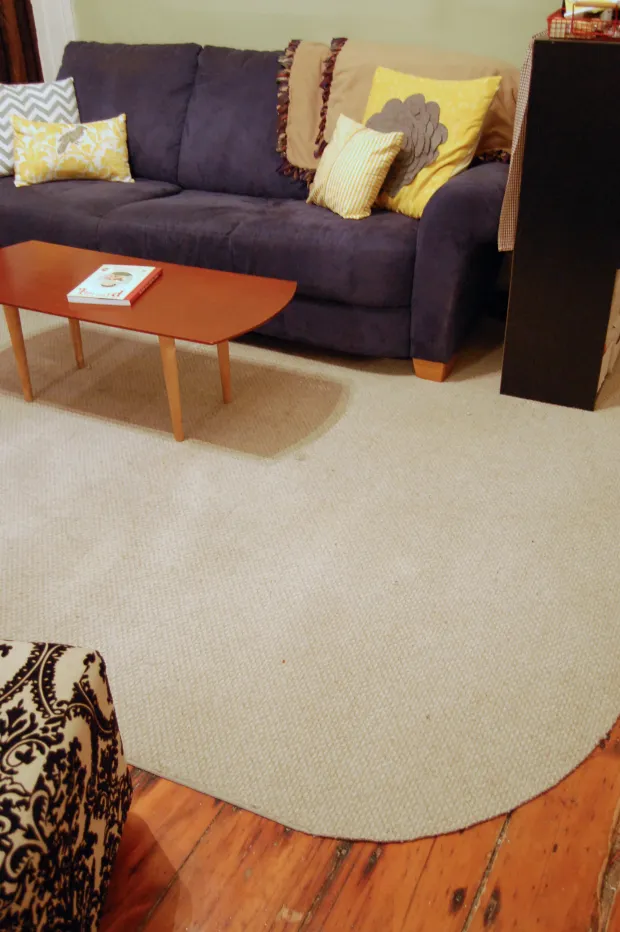
Designing a pet-friendly living room that looks chic
Picture a sun-drenched afternoon in a Brisbane home, where a kelpie dozes on a woven rug beneath a ceiling fan, or imagine a Melbourne terrace where a ragdoll cat surveys the street from a linen-clad armchair. Crafting a living room that welcomes pets without sacrificing elegance is absolutely within reach. The key lies in understanding which materials age gracefully, which layouts reduce chaos, and which design choices create a calm environment for both humans and animals.
Australian homes typically celebrate open-plan living and seamless indoor-outdoor flow, particularly in coastal suburbs and hinterland retreats. This lifestyle means dealing with sand tracked in from Bondi, grass stains from weekend park visits, and the perpetual challenge of fur on darker upholstery. A well-considered space accounts for these realities from the outset, blending hardwearing performance textiles with considered styling so the room reads as sophisticated rather than purely practical.
From compact apartments in Sydney to heritage homes in Adelaide, renters and owners alike can achieve a polished look that respects the needs of their four-legged companions. Smart material selection, designated pet zones, and decor that disguises the evidence of daily life all contribute to a living area that feels curated, comfortable, and genuinely welcoming to every member of the household.
Selecting fabrics that withstand claws and spills
Performance fabrics have transformed interior design, and Australian retailers such as Temple & Webster and Domayne now stock extensive ranges of stain-resistant weaves that look identical to natural linen or cotton. Look for tightly woven materials with a high rub count, which resist snagging from cat claws and repel liquid accidents. Microfibre remains a standout choice for households with heavy shedders, as the dense weave prevents fur from embedding deeply into the surface. For those interested in browsing curated collections of these materials, explore the full site to see handpicked Australian favourites.
Leather and faux leather offer excellent longevity for homes with dogs, though sharp nails can puncture unprotected hides. Choosing semi-aniline or pigmented leather with a protective topcoat helps minimise scratching, and small marks can often be buffed away. For families who prefer upholstered softness, slipcovers made from washable canvas or denim provide a relaxed, coastal aesthetic that suits Queensland and New South Wales interiors perfectly. These covers can be removed weekly and tossed into the washing machine, keeping the sofa looking fresh year-round.
Colour choice plays a subtle but important role in disguising pet hair between cleans. Mid-tone greys, warm taupes, and patterned textiles in earthy palettes mask light and dark fur far better than crisp whites or jet blacks. Textured weaves and heathered yarns also break up the visual appearance of stray hairs, buying valuable time between vacuuming sessions and keeping the room presentable for unexpected visitors.
Arranging furniture for comfort and practicality
Establishing clear pathways and dedicated zones helps pets understand the living room layout, reducing anxiety and preventing accidental damage. Floating the sofa slightly away from the wall, or anchoring it with a substantial rug, creates a sense of definition in open-plan spaces common throughout Australian suburban homes. This arrangement also allows air to circulate behind furniture, which assists with cooling during humid summer months in cities like Sydney and Perth.
A designated window seat or low perch satisfies cats who love to watch the world go by, while integrated shelving can double as a climbing gym for adventurous felines. For those working from home, carving out a small study nook benefits both productivity and pet companionship. The guide to styling a corner desk for maximum inspiration demonstrates how to blend function with personality in compact areas, creating a workspace that welcomes a sleeping dog at your feet while keeping cables and paperwork safely tucked away.
Side tables should be heavy enough to resist being knocked over by enthusiastic tail-waggers, or alternatively, secured to the wall. Avoid placing delicate ceramics, glass vases, or trailing cables within reach of curious puppies or kittens. Instead, opt for stable planters, weighted candleholders, and concealed cable management to maintain a safe, tidy environment that accommodates both play and relaxation.
Choosing flooring that endures daily life
Timber flooring remains hugely popular across Australia, from spotted gum in coastal builds to engineered oak in inner-city apartments. While beautiful, solid timber can scratch under heavy paw traffic, so selecting a matte finish and maintaining a regular trimming schedule for pet nails protects the surface. Bamboo and laminate alternatives offer similar warmth with enhanced durability, though quality varies considerably between products, so it pays to invest in reputable brands with strong wear warranties.
Polished concrete and large-format tiles provide ultimate resilience for active households, particularly in warmer climates where cool floors offer relief to dogs during scorching summers. These hard surfaces are easy to sweep and mop, though they can be slippery for older animals. Laying washable runners or low-pile rugs along key traffic paths gives pets traction while protecting joints, and the rugs can be rotated seasonally to manage wear patterns.
Entry mats positioned at every door, including the back alfresco access, capture sand, dirt, and grass before they reach the main living area. Choose mats with rubber backing to prevent slipping, and wash them frequently to avoid odours. If your home features the popular indoor-outdoor flow seen in many contemporary Australian builds, a dedicated paw-wiping station near the door saves considerable cleaning time and keeps the interior hygienic.
Incorporating smart storage and pet accessories
Clutter amplifies the visual chaos of pet ownership, so investing in attractive storage solutions keeps toys, leads, and grooming tools neatly hidden. Woven baskets made from seagrass or water hyacinth suit coastal and country aesthetics alike, while providing breathable storage for plush toys. Ottoman benches with lift-up lids conceal the messy reality of dog beds, blankets, and treats within a sleek, upholstered exterior that functions as extra seating when guests visit.
Pet beds no longer need to be eyesores relegated to the laundry. Modern designs feature minimalist lines, premium fabrics, and muted colourways that complement a sophisticated interior. Many Australian designers now create beds specifically intended to harmonise with contemporary decor, allowing the bed to sit proudly in the living room rather than hidden in a corner. Matching cushion covers and throw blankets in coordinating tones further integrate pet zones into the overall scheme without sacrificing style.
Litter boxes present a particular challenge in apartments and townhouses where space is at a premium. Concealing them inside a custom cabinet with a cat-sized entry hole maintains hygiene while preserving the room's aesthetic integrity. For more inspiration on coordinating practical items with your decorating scheme, browse home decor categories that blend utility with visual appeal and suit the Australian climate.
Finishing touches, plants, and seasonal considerations
Plants breathe life into a living room, but pet owners must select species carefully. Common toxins include lilies, which are particularly dangerous for cats, as well as philodendrons, dieffenbachia, and certain ferns. Safe alternatives include spider plants, calathea, and the hardy Kentia palm, which thrives in bright Australian interiors. Native eucalyptus, while beautiful, should be displayed in dried form only, as the fresh foliage contains oils that can upset sensitive stomachs if chewed.
Colour palettes drawn from the Australian landscape, such as coastal blues, ochre, sage green, and warm sand, create a soothing backdrop that feels both current and timeless. Layering textures through cushions, throws, and curtains adds depth without relying on delicate accessories that might be damaged. Curtains in washable linen or cotton blend beautifully with sheer voiles, allowing light to filter through while remaining easy to launder when muddy paw prints appear.
As the festive season approaches, pet owners should consider how Christmas decorations impact their animals. A securely anchored tree, pet-friendly ornaments placed higher on the branches, and avoidance of tinsel and ribbon all contribute to a safer celebration. Investing in the right equipment makes setup and ongoing maintenance far simpler, and exploring essential Christmas tree decorating tools helps homeowners create a magical display without compromising their pet's wellbeing during the holidays.