Designing a playroom that grows with your child
A well-designed playroom should work just as happily for a toddler building block towers as it does for an older child drawing, reading or hosting friends. The secret is to create a flexible base rather than decorating around one short-lived theme. Thoughtful storage, hard-wearing finishes and furniture with more than one purpose can carry the room through changing interests and changing ages.
Australian homes often need to make every square metre count. A spare bedroom, section of a living area, enclosed verandah or wide hallway nook may become the children’s zone, while heat, strong sunlight and rental restrictions influence the choices. The most successful room is practical enough for everyday family life, yet personal enough that children feel ownership of it.
Begin with how the space is used from morning to bedtime. Consider messy craft sessions, quiet reading, imaginative play, screen time and the quick tidy-up before guests arrive. When the layout supports these routines, the room can evolve without requiring a full renovation every few years.
Start with a flexible foundation
Choose a calm backdrop that will not compete with every new favourite character or hobby. Warm white, soft clay, pale sage and muted blue can suit a nursery-aged space and still feel appropriate for a primary-school child. Paint is usually the easiest change later, but a durable low-sheen finish will cope better with fingerprints and the occasional texta accident.
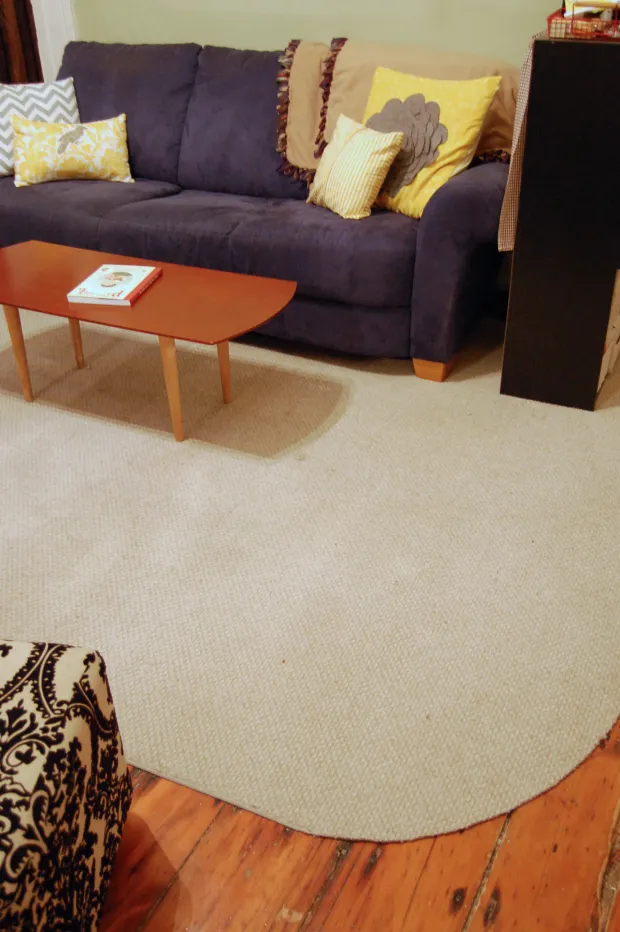
Flooring deserves special attention. A washable rug over timber, vinyl or laminate creates a comfortable play surface without committing to wall-to-wall carpet. In cooler parts of Victoria or Tasmania, a larger wool or cotton rug adds warmth, while families in Brisbane, Perth or northern New South Wales may prefer a lighter flatweave that is easier to air after humid weather. Secure loose rugs with an underlay, especially where toddlers are running.
Light can make a compact room feel larger and more welcoming. A carefully placed mirror reflects daylight and gives children’s spaces a sense of openness; these mirror placement ideas are useful when a playroom has a small window or sits away from the main living areas. Avoid placing mirrors where energetic play could send toys into the glass, and choose safety-backed products fixed securely to the wall.
Choose furniture with a second life
Low storage is useful for young children because it makes choosing and packing away toys possible without constant adult help. Open shelves with baskets can hold construction pieces, soft toys and dress-up clothes, while a few closed cupboards hide puzzles, craft supplies and the visual clutter that accumulates by the end of the arvo. Label baskets with words and pictures so the system remains accessible as literacy develops.
Select furniture that can change purpose. A sturdy table may begin as a toddler art station, become a homework desk and later serve as a sewing, model-making or gaming surface. An adjustable chair, bench with internal storage and modular cube shelving can move around the room as activities shift. Look for rounded edges, stable bases and materials that tolerate regular cleaning rather than delicate nursery furniture designed for photographs.
Australian families are often balancing space with cost, particularly when a playroom is also a guest room or home office. A second-hand bookshelf from Facebook Marketplace, a timber table refreshed with child-safe paint, or practical storage from Bunnings can provide a strong foundation without consuming the budget. Check used furniture for tip hazards, loose fittings and old paint before bringing it indoors.
Make room for creativity and calm
Children need both active zones and places to retreat. Leave a clear patch of floor for forts, train tracks and dance sessions, then create a quieter corner with a small book ledge, floor cushion and soft lamp. A canopy or curtain can define this nook without building a permanent partition. As children grow, the same corner may become a reading space, music-listening spot or private place to decompress after school.
Keep creative materials visible but controlled. A washable mat beneath the art table protects the floor, while a narrow trolley can hold paper, pencils, glue and clay. Store paint and scissors higher until children are ready to use them independently. Peg rails, magnetic boards and cork panels display artwork without covering every wall, and rotating the collection helps the room feel fresh without constant redecorating.
A small connection with nature can make the space feel more grounded. If the room has a bright sill, try these sunny windowsill herbs with older children, using sturdy pots and a tray to catch spills. Basil, mint and parsley offer sensory interest, although toxic plants and loose soil should be avoided in rooms used by very young children. The project can later become a simple lesson in responsibility and observation.
Plan for Australian light, heat and mess
Sun exposure is a practical design issue in Australia, especially in north-facing rooms. Direct afternoon light can fade rugs, books and painted furniture, while summer heat may make a closed playroom uncomfortable. Blockout blinds or lined curtains help with glare and temperature, and adjustable sheer curtains soften the brightness during play. Keep cots, climbing furniture and chairs away from windows and blind cords, and use compliant cord safety devices.
Ventilation matters too. Cross-breezes are welcome in many homes, but windows need secure locks or guards where young children play. A ceiling fan can improve comfort in warmer regions, while portable fans should be positioned so cords cannot become trip hazards. On very hot days, move energetic activities to the coolest part of the house and use the playroom for books, puzzles and drawing.
Mess should be anticipated rather than treated as a design failure. Choose wipeable paint, removable cushion covers and baskets that can be carried to another room. A washable smock near the craft area and a lidded bin for scraps make clean-up faster. If the room opens to a garden or pool area, a small washable mat near the door catches sand, grass and damp feet before they reach the main floor.
Gardening routines can extend beyond the playroom when children help care for outdoor spaces. Watering early in the day is generally kinder to plants and more efficient in warm conditions, so these lawn watering tips can support a simple morning responsibility chart. Always supervise children around hoses, buckets and standing water, particularly during hot school-holiday afternoons.
Let personality change without starting over
The room should reflect the child, but permanent themes can become limiting. Instead of painting an entire wall as a jungle or racing track, use removable decals, framed prints, bedding, cushions and small accessories to introduce current interests. A child fascinated by space can have planets above the desk for a season, then replace them with botanical prints or sports memorabilia later.
Display solutions can make changing interests feel intentional. Picture ledges allow books and artwork to be swapped quickly, while a wire grid or pegboard can hold costumes, postcards and craft experiments. Keep treasured objects at eye level and rotate the rest into a labelled storage box. This prevents the room from becoming visually overwhelming while giving children meaningful control over what is shown.
Textiles are an affordable way to shift the mood between stages. A playful quilt can be replaced without changing the furniture, and cushions can move from a floor nook to a larger bed or reading chair. When shopping, consider Australian availability and delivery costs: locally stocked basics may be easier to replace than imported pieces with long lead times. Browse these home styling ideas for ways to combine contemporary pieces with vintage finds and budget-friendly details.
As children become more independent, invite them into small design decisions. They might choose between two wall colours, decide how books are arranged or select a basket for sports gear. A flexible playroom grows successfully when the adults provide safety and structure, while the child gradually shapes the atmosphere. That balance creates a room that can move from blocks to books, craft to study and noisy play to quiet retreat without losing its practical character.