Five Ways to Add Warmth to a Minimalist Home
Minimalist interiors can feel calm, spacious and easy to live with, yet an overly pared-back room may come across as stark. Warm minimalism keeps the visual clarity of a simple home while adding softness, character and the relaxed feeling of a well-loved space. The aim is not to fill every surface, but to choose a smaller number of useful, beautiful things.
Australian homes are particularly suited to this approach. Strong sunlight, open-plan living, timber floors and indoor-outdoor connections already provide a natural foundation. Whether you are furnishing a compact Melbourne apartment, a Queenslander in Brisbane or a coastal home in Perth, a few considered changes can make a restrained interior feel much more inviting.
Start with a warmer visual foundation
Colour is one of the quickest ways to take the chill out of a minimalist room. Replace blue-based whites with chalk, ivory, oatmeal, warm grey or pale mushroom. These shades still look clean, but they reflect light with a gentler quality. A muted terracotta, olive, caramel or ochre accent can add depth without overwhelming the neutral scheme.
Consider how Australian light changes throughout the day before choosing paint. A bright north-facing room may make cream appear almost yellow, while a shaded southern room can benefit from a slightly warmer beige. Test sample pots on several walls and view them in the morning, afternoon and evening. Local paint retailers often offer small sample sizes, making this a practical step before committing to a full weekend of painting.
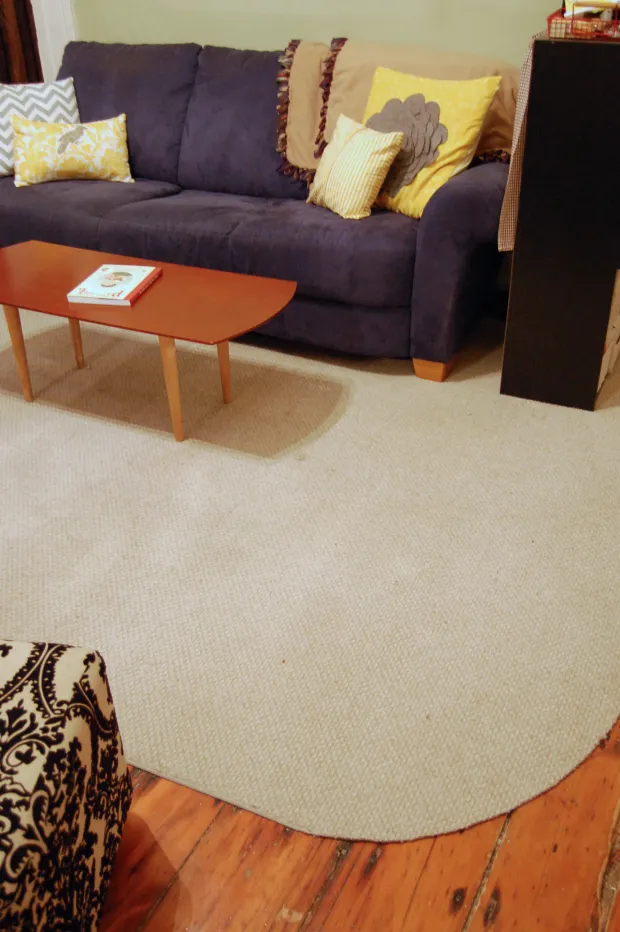
Keep the palette restrained by repeating two or three related tones across the room. A linen sofa, sand-coloured rug and timber side table will feel connected even when their materials differ. For a hallway, simple storage also helps preserve that sense of calm; these entryway shoe storage ideas can inspire ways to keep everyday clutter out of sight.
Layer tactile natural materials
Texture gives a minimalist room visual warmth without relying on lots of decoration. Combine smooth plaster walls with grainy timber, nubby wool, woven baskets, linen and handmade ceramics. The contrast between surfaces creates interest where pattern and ornament have been kept to a minimum.
Australian materials work especially well in this setting. Blackbutt, spotted gum and Tasmanian oak introduce organic colour and a visible grain, while wool rugs bring softness underfoot during a cool Victorian winter. In warmer areas, jute, cotton and light rattan can create a breezy feel that suits a verandah or a room opening onto the garden.
Use textiles in layers rather than buying a matching collection. A relaxed linen curtain, a wool throw over the arm of a chair and one textured cushion are enough to make a room feel finished. Slight variation is desirable: a fabric that is gently creased or a ceramic bowl with an uneven glaze gives the space a human quality.
Make lighting part of the atmosphere
A single bright ceiling fitting can make even a beautifully furnished room feel clinical. Warmth comes from several low-level light sources working together. Combine a central pendant with a floor lamp, a table lamp and discreet wall or picture lighting so the room can shift from practical daylight to a softer evening mood.
Choose bulbs around 2700K to 3000K for living rooms and bedrooms. Dimmable fittings are useful in open-plan Australian homes, where the kitchen may need clear task lighting while the lounge benefits from a gentler glow. Opal glass, fabric shades and pleated paper soften the light, while timber or ceramic bases add another layer of natural texture.
Pay attention to windows as well. Sheer curtains filter strong afternoon sun without blocking the outlook, and heavier lined curtains can make a bedroom feel cosier at night. In places with hot summers, such as Adelaide or western Sydney, external blinds or good-quality window coverings also reduce glare and help the room stay comfortable without adding visual fuss.
Choose furniture with softness and shape
Minimalism does not require sharp-edged furniture. Rounded corners, curved backs and generous upholstery make a room feel more welcoming while keeping the overall arrangement disciplined. A softly shaped sofa, oval coffee table or arched mirror can break up a grid of straight lines.
Select fewer, better-proportioned pieces rather than filling the room with small items. In a compact Australian terrace or apartment, a slimline sofa with raised legs can preserve a sense of openness. In a larger family room, a deep armchair or a timber bench can provide useful comfort without creating visual clutter.
Comfort should guide every decision. Sit on a sofa before buying it, check whether the fabric suits children and pets, and consider how it will perform in the local climate. Breathable linen blends are pleasant in humid areas, while wool upholstery and substantial cottons can feel reassuring in cooler regions. Australian furniture brands and independent makers often provide local options with practical fabric samples and repair support.
Bring in greenery and organic life
Plants soften architectural lines and make a minimalist home feel connected to the outdoors. A large leafy plant beside a sofa, a trailing plant on a high shelf or a small arrangement of branches can provide colour without adding visual noise. Use a few strong forms instead of covering every windowsill.
Match plants to the light and conditions of the room. A fiddle-leaf fig may enjoy bright filtered light, while a cast-iron plant is more forgiving in a dim corner. In Brisbane or Darwin, allow for humidity and airflow; in dry inland areas, group plants together to make watering easier. Native branches such as eucalyptus can bring a distinctly Australian note, provided they are sourced responsibly and kept away from heat.
Plant pots deserve attention too. Terracotta, speckled ceramic and woven baskets introduce earthy finishes that support a neutral scheme. A handmade macramé plant hanger can lift greenery into an unused corner and add a quiet bohemian detail without turning the room into a themed space.
Add warmth through useful details
Personality is essential in a minimalist home, but it works best when it is attached to objects with a purpose. Display a favourite print, a bowl collected on holiday, a stack of art books or a woven basket used for blankets. These details tell the story of the household while keeping surfaces functional.
A good rule is to create small moments of focus. Style a console with one lamp, one ceramic vessel and a framed photograph rather than a crowded arrangement. On open shelving, leave generous gaps around books and objects. This negative space allows special pieces to stand out and prevents the room from feeling like a showroom.
Handmade items are especially effective because they bring irregularity and craft into a clean setting. Explore creative crafting projects for simple ideas such as painted trays, fabric wall hangings or repaired vintage pieces. A project made during a quiet arvo can have more emotional value than an expensive accessory chosen only to fill an empty shelf.
Edit the room for everyday comfort
Warm minimalism depends on regular editing. Remove objects that are broken, rarely used or visually distracting, then notice what the room actually lacks. You may need a reading light rather than another cushion, a basket for toys rather than a decorative box, or a narrow side table for morning coffee.
Storage should support the calm appearance of the room. Closed cupboards, built-in joinery and matching baskets hide practical items, while open storage can be reserved for things worth seeing. In rental homes, freestanding cabinets, under-bed boxes and adhesive hooks offer flexible solutions without permanent changes. Keep frequently used items within easy reach so tidying does not become a chore.
Leave room for life to happen. A minimalist home should accommodate school bags, sandy feet after the beach, visiting friends and a dog stretching out in the sun. Choose washable covers, durable rugs and finishes that age gracefully. When simplicity is shaped around real routines, the result feels warm because it is comfortable, personal and genuinely lived in.