Cosy fireplace styling ideas for Australian homes without a chimney
Aussie living rooms often skip the traditional fireplace, particularly in newer builds across Sydney and Brisbane where open-plan layouts favour wide glass doors and tiled floors over chimneys. Many homes from the 1970s onwards were designed with the local climate in mind, relying on ducted heating or split systems rather than a roaring wood fire. That does not mean a living space has to feel cold or characterless during the cooler months.
The good news is that a fireplace-style focal point can be created without a chimney, flue, or gas line. From freestanding electric units to a beautifully styled decorative surround, there are several paths to achieving that warm, anchored feeling. A thoughtfully arranged hearth zone draws the eye, organises furniture, and gives a room a sense of intention, even when nothing is actually burning. Households across Australia are embracing these alternatives, particularly as rising electricity prices make running a heater all evening less appealing than styling a beautiful visual centrepiece.
What follows is a practical approach to building that snug, layered feeling. The focus is on materials and shapes available locally, plus styling cues that suit everything from a heritage Queenslander to a contemporary Melbourne apartment. No builder, sparky, or council approval is required for most of these ideas.
| Option | Heat output | Installation | Best for | Approximate cost (AUD) |
|---|---|---|---|---|
| Electric fireplace insert | 1.5–2.4 kW | Plug-in, no hardwiring | Living rooms, bedrooms | $250–$900 |
| Bioethanol burner | 2–4 kW | Ventilation needed | Open-plan areas, dining | $400–$2,500 |
| Freestanding faux stove | None | Floor placement | Rental properties, kids | $150–$600 |
| Mantel and candles display | None | Wall-mount or shelf | Decorators, small spaces | $100–$450 |
| Recessed TV with flame video | None | Cabinetry work | Modern media walls | $300–$1,200 |
Choosing the right alternative for your living room
The first decision is whether heat matters or whether the visual glow alone is enough. In coastal cities such as Perth or the Gold Coast, winters are mild and a decorative setup is usually sufficient. For households in Hobart or the foothills of Canberra where winter evenings dip low, an electric or bioethanol unit provides genuine warmth alongside the aesthetic. Electric inserts are the easiest entry point because they simply plug into a standard power point, and many come with remote-controlled flame effects that look surprisingly lifelike.
Bioethanol burners sit between function and style, producing real flames without a flue. They need some ventilation, so opening a window slightly during use is wise, and they suit homes with high ceilings where heat can rise and feel wasted. Freestanding faux stoves have improved dramatically in recent years, with cast-iron-look finishes available at Bunnings and Big W for under four hundred dollars. They weigh next to nothing, making them ideal for renters in inner Melbourne who want the look without a permanent installation.
The mantel-only approach works beautifully for anyone who prefers a soft, candlelit glow over actual flames. A reclaimed timber shelf, a pair of pillar candles, and a stack of birch logs in a basket can suggest the feel of a fireplace without any heat source at all. This option is also the safest choice for families with curious toddlers, since there are no flames, no hot surfaces, and no fuel to store.
Building the surround on any budget
A surround does not need to be built from brick or rendered in plaster. A simple timber frame wrapped in stone-look tiles is a popular weekend job for handy households, with tiles from Beaumont Tiles or Reece adding the right texture for under two hundred dollars. The trick is to build a false chimney breast that protrudes roughly fifteen centimetres from the wall, deep enough to look substantial without eating into the room. Plywood clad in panelling is another lightweight option that works well in newer apartments where fixing into concrete walls is restricted.
For a softer, Scandinavian-leaning look, a painted timber surround in a warm off-white such as Dulux Natural White can transform a plain wall into a focal point. This approach pairs beautifully with the cool greys common in modern Australian interiors. Those renting can mimic the effect with a free-standing mantel shelf and a pair of decorative corbels, both widely available through IKEA or Freedom Furniture. The shelf simply rests against the wall, no drilling required, and can be packed up at the end of a lease.
Tile choice matters as much as the structure itself. Travertine-look porcelain, handmade-look zellige, or simple stacked slate can all suggest an old-world hearth. A matte black tiled recess creates a striking contrast against creamy walls and suits the moody palette trending in renovated Victorian cottages from Fitzroy to Paddington. Similar surface-treatment thinking applies to other tired features around the home, like renovating an old bathtub without full replacement, where careful material choice delivers a fresh result without major demolition.
Layering warm textures around the hearth
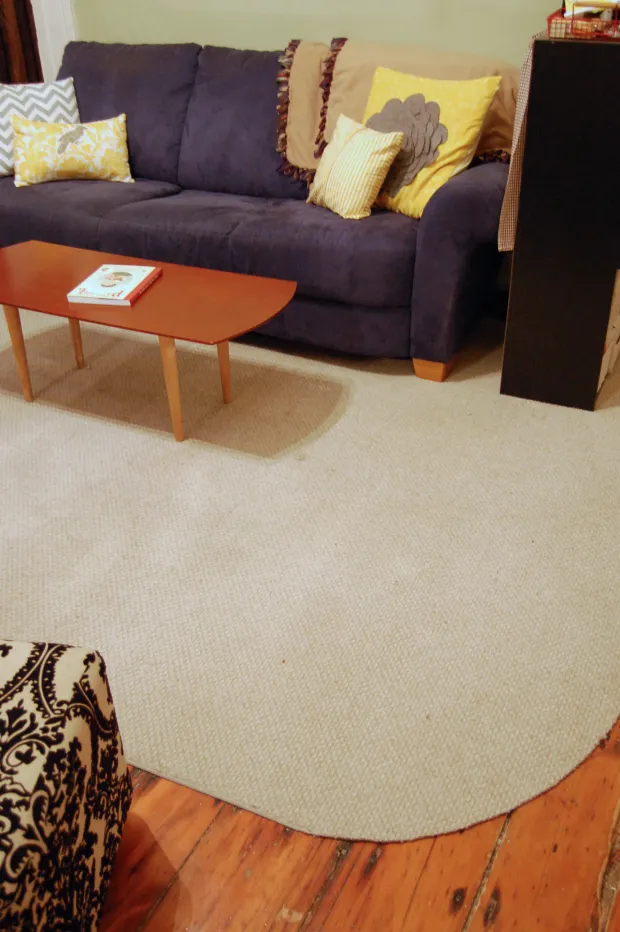
The textures around a fireplace zone do most of the heavy lifting when it comes to cosiness. Wool throws in earthy tones such as rust, mustard, and forest green drape beautifully across an armchair positioned nearby. A sheepskin rug, easily found at Adairs or Freedom, anchors the seating arrangement and adds warmth underfoot during winter mornings. Layering a flat-weave rug over a larger natural fibre rug is a styling trick borrowed from interior designers and works well in larger living rooms.
Soft furnishings also help absorb sound, which is useful in homes with high ceilings or hard floors. A canvas artwork hung above the mantel, or a vintage mirror leaning against the wall, introduces another layer of texture. Mirrors are clever because they reflect candlelight back into the room, doubling the sense of warmth on dark evenings. A corner reading chair placed adjacent to the hearth completes the arrangement, much like the setup described in this guide to building a cozy reading nook in a small apartment corner, where soft lighting and layered textiles do the same work in a smaller footprint.
Storage baskets tucked beside the hearth are useful for storing extra throws, magazines, or kindling if a bioethanol burner is in use. Woven seagrass baskets from Kmart or The Reject Shop offer the right look for less than thirty dollars each. A small wooden stool doubles as both a side table and a spot to set down a cup of tea, keeping the area feeling lived-in rather than staged.
Lighting that mimics a real flame
Lighting can make a decorative fireplace feel authentic even when nothing is burning. Wall sconces flanking the mantel introduce a soft, ambient glow that mimics the flicker of flames on nearby walls. Battery-operated sconces have come a long way and remove the need for hardwiring, which suits heritage homes where chasing walls for cables is impractical. Pillar candles in varying heights create movement as flames dance, and LED candles with realistic flicker modes are a safe alternative for sleepers and pet owners.
Picture lights mounted above artwork or a mirror above the mantel add another warm layer. Many Australian electricians recommend a warm 2700K bulb for living spaces, as anything cooler can wash out the cosy effect. Smart bulbs from Philips Hue or LIFX allow the colour temperature to shift from bright daylight during the day to a soft amber by evening, which subtly changes the mood of the entire room. A floor lamp with a paper or linen shade positioned beside the reading chair pools light in a way that feels cocooning rather than clinical.
Avoid overhead downlights directly above the hearth zone, as they flatten the mood and cast unflattering shadows on faces. Aim for sources at eye level or below to keep the lighting intimate. Candles clustered in groups of three on the hearth, with varying heights and holders, provide that final touch of movement and life.
Styling the mantel and surrounding walls
Mantel styling follows the rule of odd numbers and varying heights. A tall vase with dried eucalyptus or palm fronds anchors one end, while a stack of two or three design books and a small ceramic piece fill the other. The middle can hold a single statement object, such as a vintage clock, a framed photograph, or a brass candlestick. Australians often lean into native botanicals for mantel arrangements, with banksia, wattle, or gum nuts providing texture that suits both contemporary and traditional homes.
The wall above the mantel benefits from one large piece rather than several small ones. A round mirror, an oversized canvas, or a vintage woven wall hanging all work beautifully. In homes with high ceilings, hanging the art slightly lower than usual creates a more intimate feel and brings the eye down toward the hearth. A gallery wall above a fireplace can feel busy and is best avoided unless the surround is particularly plain and minimalist.
To the sides of the surround, a narrow console table or a pair of built-in shelves can extend the styling zone. A woven basket on the floor, a stack of logs in a galvanised bucket, or a vintage leather suitcase all add personality without cluttering. Fresh flowers in season, such as peonies in spring or waratahs in winter, keep the display feeling current and connected to the local landscape.
Adapting the look for Australian lifestyles
Australian homes often blur the line between indoors and outdoors, and a fireplace-style zone can echo that connection. Positioning the hearth opposite a set of bifold doors that open onto a deck creates a through-line from inside to out. Materials such as spotted gum or blackbutt timber, both sustainably sourced locally, tie the indoor surround to outdoor decking without feeling repetitive. This works well in coastal homes where the fireplace area becomes part of a larger entertaining zone rather than a single-purpose feature.
For households in apartments, where open flames and wood storage are simply not practical, the decorative approach is the most sensible. A painted timber mantel, a few well-chosen candles, and warm lighting deliver the same emotional response without any maintenance. Tenants can take the whole arrangement with them when they move, which makes the investment even more worthwhile.
Finally, consider how the fireplace zone relates to the rest of the home. If the living area opens onto a garden, the styling can extend outward, perhaps with an above-ground planter box visible through the window as a continuation of the warm, earthy palette. Readers exploring above ground garden plans that complement a cosy living zone will find that matching timber tones between indoor surrounds and outdoor planters keeps the entire home feeling considered. A small amount of planning here means the fireplace area becomes part of a wider story rather than an isolated feature.