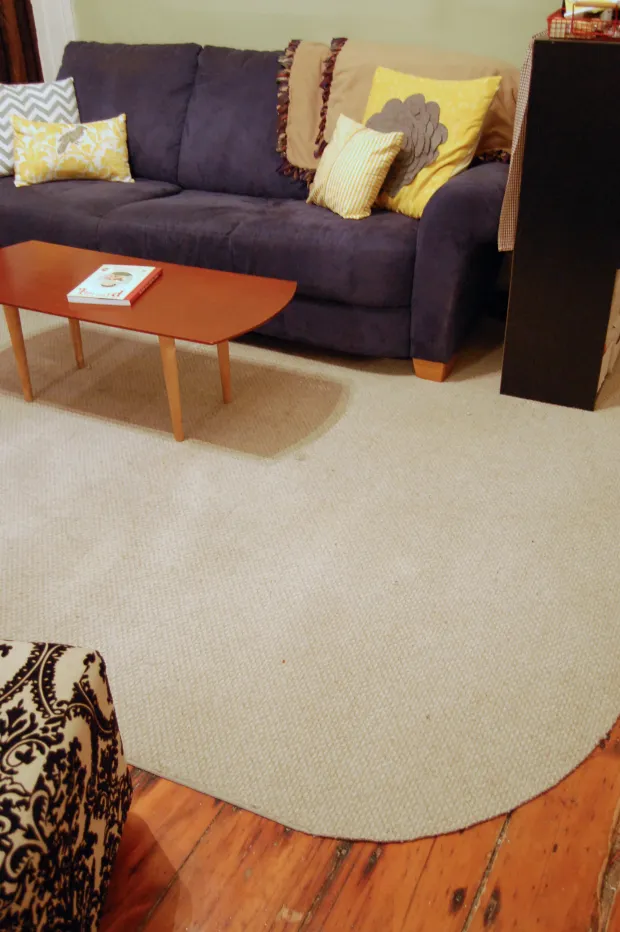
How to Create a Cozy Reading Nook with Just a Few Pillows and a Lamp
A small corner can become a place where a book turns an ordinary evening into a ritual. The trick to learning how to create a cozy reading nook with just a few pillows and a lamp is to treat softness and light as the main ingredients, then let the furniture follow the space you already have. This approach suits renters, apartment dwellers and anyone who wants a calm retreat without renovating a room.
Start by measuring the corner, noting the nearest socket and watching the room at both midday and after sunset. Australian homes often face strong summer sun, while winter evenings arrive early, so a reading spot needs both shade for the brightest part of the day and warm, focused light after sunset. The result should feel intentional, as if the nook belongs there, rather than like a collection of spare pieces pushed into a gap.
Find the Right Corner
A nook works best where it is sheltered from the main path through the home. Look beside a window, at the end of a sofa, in an unused corner of a bedroom or near a study desk. In compact Sydney and Melbourne apartments, even a 90-by-120-centimetre patch can work if the seat has a firm back and the lamp sits within easy reach.
Check how people use the space before choosing it. A corner beside a busy hallway may offer enough room for a chair but little peace; a recess near a window may catch beautiful light while also exposing books to glare and UV. Cotton or linen blinds can soften direct sun without making the area feel closed in, and the same reasoning applies in Brisbane, where warm light and summer heat shape which afternoons are comfortable for reading.
Before moving furniture in, sit on the floor in the chosen spot for ten minutes and notice distractions, draughts and the distance to the nearest outlet. A nook beside a bookcase or built-in bench may be compact, yet it keeps books close and reduces the need for extra shelving. Measure the doorway too, particularly in older Australian terraces, where a bulky chair may not fit through without turning it sideways.
Build a Soft Place to Sit
Choose a stable base first: an existing chair, a small bench, a dining chair or a slim floor pouffe. The cushions then do the decorative and physical work. Two large cushions can create a supportive seat, while a smaller lumbar pillow fits neatly between them or supports the lower back. Large cushions look generous, but their filling should not be so soft that the reader sinks forward.
Cover the cushions in washable fabrics, especially in humid climates or homes with children. Cotton canvas, cotton bouclé and removable linen covers work well with Australian interiors because they feel relaxed rather than overly formal. Mix one plain weave with one subtle pattern, and choose colours already found in the room so the nook feels connected to its surroundings.
Choose a Lamp That Works
The lamp needs to illuminate the page without flooding the rest of the room. An adjustable arm is excellent for a fixed reading chair; a small table lamp with a deep shade creates softer light for a bench; a clip-on fitting can suit a narrow side table. Look for an LED bulb around 2700K for a warm evening glow, and check that any dimmer is compatible with the lamp rather than assuming every switch will work.
Plan the lamp around Australian electrical realities. Most homes use 230-volt power and Type I plugs, so choose fittings with the correct plug or use a suitable double adapter, and position the cable where nobody will trip over it. Bunnings, Kmart and IKEA Australia are useful places to compare basic lamp bodies, shades and bulbs, while an established electrical retailer is helpful when colour rendering or specialist fittings matter.
Style Around the Pillows
Once the seat and light are working, add only a few surrounding pieces. A narrow floating shelf can hold the current book and a glass of water, while a small basket keeps headphones, spectacles and charging cables together. For broader inspiration, the collection of room styling ideas shows how texture, scale and repeated colours can make a compact area feel deliberate.
Keep the palette simple by repeating one or two colours from the cushions in the shelf, lamp shade or rug. A thrifted frame with a print of Australian native foliage is one option, but an empty frame can also echo the window view without adding visual clutter. If a rug is too large for the nook, use a mat that reaches fully beneath the front legs of the chair or bench so the area feels anchored.
Styling becomes more effective when the tallest and lowest points sit on opposite sides of the seat. A floor lamp can balance a low cushion, while a shelf placed slightly above eye level keeps the space open. Avoid filling every surface with small ornaments; one book, one plant and one tactile object will usually create more interest than a crowded collection.
Make It Work for Children
A reading corner shared with children needs a different balance: lower storage, durable surfaces and a clear place for books. In a multipurpose room, layouts that combine sleeping and reading areas can make better use of the floor; this guide to IKEA bunk beds is useful when the nook sits in a child’s bedroom and the upper bunk can create a cosy retreat above the desk.
Use a child-safe floor lamp or a wall-mounted reading light, with cords secured out of reach. Cushions should never be placed on a bed for a baby or unsupervised young child, and bulbs should remain cool to the touch. Low book displays make picture books visible without adding tall, tip-prone furniture, while a washable throw allows the whole seat to reset quickly after spills or muddy feet.
Shop Smart on a Small Budget
Spend first on the two pieces that affect comfort: a supportive base and a lamp that lights the page properly. Decorative pillows and small accessories can come later, and a thrifted chair may only need a new seat pad. Compare prices at Bunnings, Kmart, IKEA and local op shops, but measure every item before buying, since the dimensions listed online do not always match the usable space in an Australian home.
Reading the small print is just as important when buying a lamp as it is when studying a subject you know little about. A guide to craps betting odds, for instance, depends on clear definitions, so treat it as a reminder to understand terminology before acting; product descriptions work the same way, especially for voltage, dimmer compatibility and warranty claims. Save the receipt, compare the final price including GST, and avoid buying extra décor merely because it is on a temporary promotion.
Keep the Nook Inviting
A reading nook lives or dies by what happens in it. Keep the current book open, place a small tray within reach and remove anything that competes for attention. A soft cloth and washable cover make routine care easy, while rotating two or three books prevents the corner from becoming a display shelf that is never actually read.
Change the atmosphere with the seasons rather than buying new furniture. In summer, swap thick cushions for firmer cotton ones and use a lightweight blind; in winter, add a washable throw and choose a warmer bulb. Wipe the lamp regularly, especially in coastal areas where salt can dull metal finishes, and check that the lamp still casts an even pool of light. When the seat, page and light feel right, the nook becomes a small part of the home that invites you to stay.
Make the space personal with one meaningful object, such as a framed handwritten quotation, a small plant suited to the available light or a notebook for book recommendations. Keep digital distractions at arm’s length by charging the phone elsewhere and using a simple timer for reading sessions. These small choices preserve the calm purpose of the corner and make regular use easier.