Bringing Natural Texture Into Every Room of Your Home
Australia's love affair with the outdoors shapes how we want our interiors to feel. From sun-bleached fibro cottages in Byron Bay to renovated Victorian terraces in Melbourne, homes across the country tend to pull in echoes of landscape, climate, and craft. Adding tactile, organic finishes is one of the most rewarding ways to recreate that grounded atmosphere, no matter the size of the room or the style of the building.
Natural texture covers a lot of ground: raw timber, woven fibres, stone, clay, linen, rattan, jute, wool, and even dried botanicals. The goal is not to recreate a forest indoors, but to soften hard surfaces, add warmth, and create layers that invite touch. Done well, these materials feel relaxed rather than themed, and they tend to age gracefully alongside the people who live with them.
Why natural textures change the feel of a room
Texture influences how a space feels before colour or pattern even register. A room full of smooth plasterboard, glass and laminate can read as cold and clinical, while the same space layered with timber, linen and a woollen rug instantly feels welcoming. The eye reads contrast between rough and refined surfaces as a sign of comfort and human presence, which is why Australian homes built around indoor-outdoor flow almost always include at least one grounding natural element.
Texture also responds to light differently throughout the day. Untreated timber warms up under morning sun, while jute and sisal throw soft shadows across the floor in late afternoon. In a north-facing Brisbane apartment or a west-facing Perth living room, these shifts can become part of the daily rhythm of the home. Even on grey winter mornings in Hobart, a tactile interior helps a room feel lived-in rather than empty.
Living spaces that breathe with organic materials
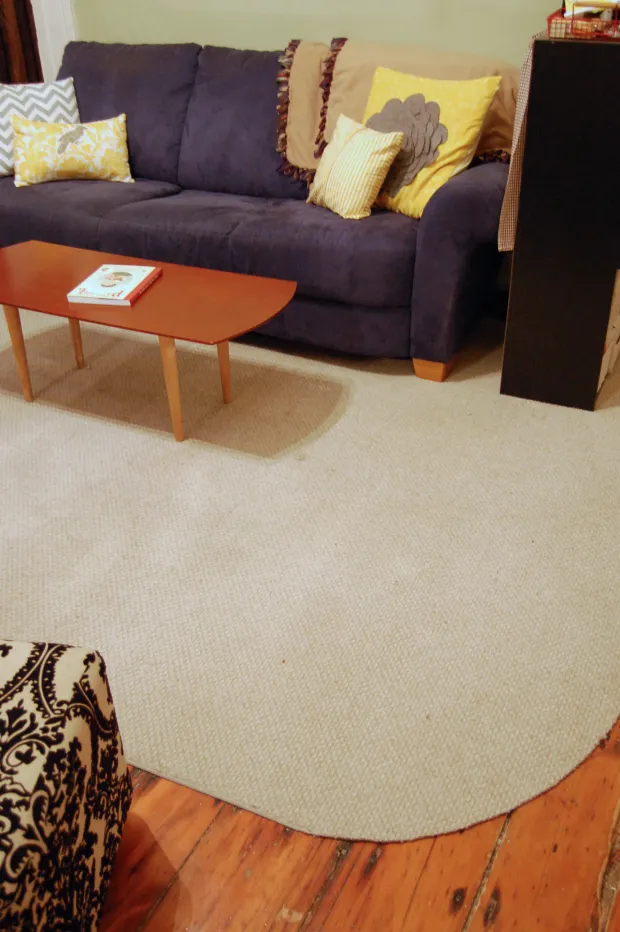
The living room is the easiest place to start because it absorbs the most traffic and therefore benefits most from durable natural materials. A solid timber coffee table, a slubby linen throw, a hand-loomed wool rug and a couple of rattan armchairs can carry the whole palette. Australian-made furniture from makers like Jardan or Koskela often combines blackbutt or Tasmanian oak with natural fibre seating, and both brands ship nationwide through showrooms in Sydney and Melbourne.
If a full furniture overhaul feels out of reach, smaller swaps work just as well. A raw-edge hardwood chopping board styled on a coffee table, a bundle of dried banksia in a stoneware vase, or a pair of linen cushions in earthy tones can completely change a corner. For DIY-minded homeowners, weekend trips to Bunnings or local salvage dealers often turn up reclaimed timber offcuts that can become floating shelves or side tables with a simple sand and oil finish.
For anyone planning a larger renovation, exploring how the finishes connect matters as much as the individual pieces. Pairing timber and stone together can anchor a renovation, while soft linen drapes keep the mood from feeling too heavy. The trick is balancing rough and refined, and resisting the urge to match everything perfectly. When gathering inspiration online, the usual copyright notice reminders apply to images as much as to text.
Bedrooms built around calm, tactile layers
Bedrooms benefit enormously from texture because they are about rest rather than display. Layered linen bedding is the obvious starting point, ideally in muted tones like oat, clay, sage or fog grey, which suit both coastal homes in Noosa and inner-city apartments in Adelaide. Pair linen with a heavier woven throw, a chunky knit blanket folded at the foot of the bed, and a few cushions in textured cotton or boucle for a bed that looks inviting from across the room.
Beyond bedding, the floor plays a big part in how restful a bedroom feels. A natural fibre rug, such as jute or wool, softens bare boards or polished concrete and helps with warmth underfoot during chilly Adelaide Hills mornings or Canberra winters. A simple bedhead upholstered in a textured fabric, or even a timber headboard made from recycled boards, can become the focal point without competing with the bedding.
Lighting interacts with texture in the bedroom more than people expect. Linen or paper lampshades filter light softly, while a timber or stone bedside table adds a grounding element at eye level. Readers who like to keep a record of styling decisions for future projects sometimes turn to custom digital tools; this REST client tutorial is one example of how the same maker mindset shows up across different hobbies.
Kitchens and bathrooms that welcome raw finishes
Wet rooms often get overlooked when it comes to texture, but they are some of the most satisfying places to add natural finishes. Stone benchtops, whether marble, granite or engineered quartz with veining, bring instant weight and contrast to a kitchen. Timber chopping boards, raw-edge serving boards, woven baskets for storing fruit, and stoneware crockery stacked on open shelving all add layers without cluttering benchtops.
In the bathroom, texture can turn a small space into a sanctuary. A teak or eucalyptus shower mat, a stone vessel basin, or a few rolled linen towels stacked in a timber shelf unit all add tactile appeal. The trick is to start with one grounding element and let the rest of the room breathe around it.
Plants thrive in bathrooms because of the humidity, and adding greenery is one of the cheapest ways to bring natural texture indoors. Eucalyptus in the shower is an Australian classic, and a sprig of fresh foliage in a small vase can replace the need for artificial air fresheners entirely.
Borrowing texture from the Australian outdoors
The final layer is the easiest to add and the most overlooked: views, plants, and borrowed landscape. Australian gardens are full of texture just waiting to be brought inside, and using what grows locally makes the home feel rooted in its place.
A simple branch of gum foliage in a heavy ceramic vase, a bowl of blackbutt and banksia seed pods on a coffee table, or a row of potted native grasses on a balcony all extend the natural palette outside. For balcony and courtyard spaces in particular, layering large planters with strappy plants like lomandra or dianella adds height and texture without needing a full garden.
In apartments where outdoor space is limited, even a small window box filled with herbs or a single potted olive tree near a sunny window can shift the feel of a room. The goal is connection, and these small gestures make the home feel less separate from the landscape that surrounds it. For personalised guidance on your own space, the team offers one-on-one walkthroughs through the contact form, which can be a useful way to get feedback before committing to expensive pieces.