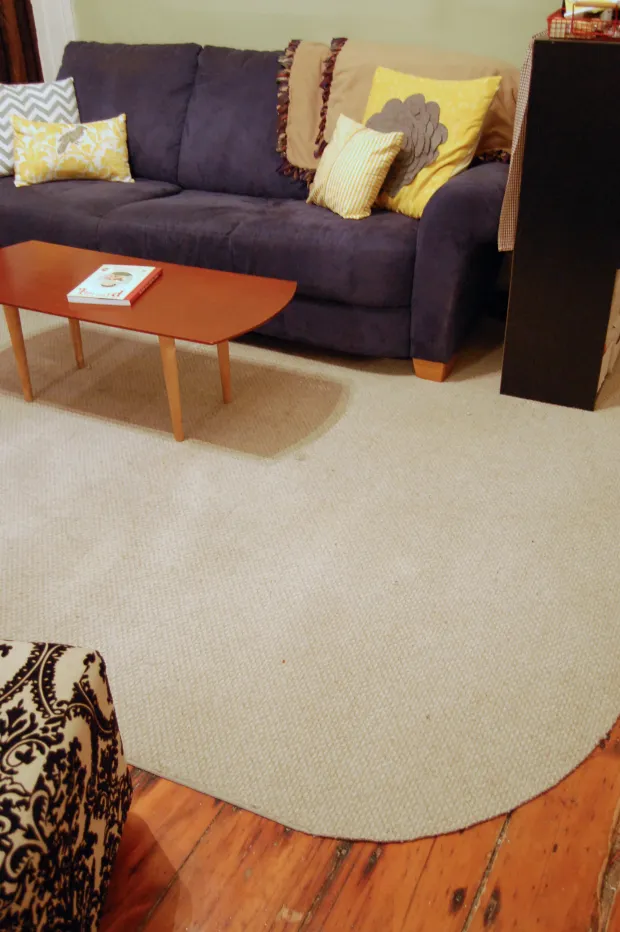
How to incorporate vintage finds into a modern living room
Modern living rooms often begin with a clean architectural base: crisp sofas, pale timber, simple lighting and a restrained neutral palette. Vintage finds bring warmth, texture and character, turning a coordinated room into one with a visible story. A well-chosen chair, an old timber cabinet or a pair of ceramic lamps can set the tone without making the space feel dated.
The key is to treat vintage pieces as deliberate parts of the composition rather than decorative afterthoughts. Think about silhouette, scale, colour and material before deciding where each object belongs. This works with inherited heirlooms, inexpensive pre-loved pieces and characterful flea-market discoveries, giving every find a role that suits your family and the way you live.
Before shopping, define what the room needs. A lounge without adequate seating, reading light or storage will feel unfinished even if it contains several admired old pieces. Measure the space, note the proportions of existing furniture and identify one practical gap. That step keeps the search focused and makes it easier to judge whether a find will improve the room or demand too much attention.
Choose vintage pieces with a clear visual role
A useful first filter is visual strength. Look for furniture with an expressive shape, convincing timber grain, aged brass, hand-thrown pottery or another detail that rewards a second look. Mid-century sideboards, traditional occasional tables and retro lighting all work, but the period itself matters less than whether the piece has presence. Choose finds that anchor a zone or support a colour already present.
Scale is equally important. A large armoire may look impressive in a showroom yet overpower a modest Australian lounge, while a petite vintage table can disappear beside a deep modern sofa. Use tape on the floor to map the footprint, and compare the piece with nearby furniture from a seated viewpoint. Leave enough space for people to move through the room, particularly where the lounge opens directly into a dining area.
Condition should be judged honestly. Check drawer runners, joints, upholstery, glass and undersides, since damage hidden at a market can be expensive to repair. Pale patina on timber or minor marks showing a well-used life are welcome. Structural weakness, moth damage and unstable legs are different matters and should influence the price or rule out the purchase. Browsing the home decor ideas at Jeeze Julia can help connect individual finds with the room as a whole.
Build a calm modern backdrop
A contemporary backdrop gives vintage objects room to stand out. Paint in warm white, soft beige, misty grey or another quiet neutral, then repeat a few tones in cushions, rugs and accessories. Aim for a simple hierarchy: clean-lined seating and tables provide the foundation, one or two vintage hero pieces add personality, and smaller objects fill gaps without covering every surface.
Australians often call this space the lounge room, and many homes combine it with dining beneath one roof. Open-plan layouts, sloping extension roofs and doors onto verandahs make visual balance especially important. A tall vintage cabinet may look powerful in a room with generous ceiling height, yet awkward in a low-ceilinged renovated space. Check ceiling height, door widths and the route from the car before committing to a large item.
Organisation helps because vintage pieces often come with an extra shelf, drawer or hinged door. The organised home principles can guide decisions about what deserves a visible position and what belongs behind closed fronts. Keep the most interesting side of an object on show, but place practical pieces where they support daily routines. This is useful when a modern room already holds books, toys, remotes and other everyday clutter.
Source finds through Australian markets
Australian buyers have convenient ways to find secondhand furniture and decor. Weekend car boot sales, community garage sales and neighbourhood fairs often reveal useful old pieces at approachable prices. In Sydney, Paddy's Markets provides several convenient stops for browsing stalls; Melbourne's Flemington Market is another well-known hunting ground. Going early gives access to cleaner, more structurally sound items before popular pieces disappear.
Online searches widen the search beyond the distances a car can cover. Gumtree Australia and Facebook Marketplace listings often include solid timber chests, cane chairs, mirror frames and table lamps. Inspect in person wherever possible, ask for exact dimensions and look for signs of pests or strong odours that photographs can hide. A clear plan also prevents a bargain from becoming an expensive delivery problem.
Op shops such as Vinnie's and Oxfam Shop Australia are worth checking for smaller ceramics, glassware, books and lighting, usually in more affordable condition than market finds. Curated browsing lists can sharpen your eye; the Emily’s project list is a useful place to compare saved ideas before visiting a seller. Bring a tape measure, note doorways and remember that Australian measurements are metric. A $40 side table is good value only if it fits through the hallway.
Mix eras without making a theme park
A room can hold pieces from several decades and still feel settled if it has a common visual language. Repeat one colour a few times, pair old timber with contemporary metal, or echo the same shape in a vintage mirror and a modern lamp. These small repetitions connect contrasting objects, while differences in finish provide the interest that makes a mixed room inviting.
Treat walls as part of the composition. The hallway gallery transformation shows how deliberate spacing can make a narrow area feel composed. Apply that measured rhythm to the living room: hang a grouping at a comfortable height, balance a large frame with smaller studies, and keep unrelated art from competing with the furniture. In a room with high Australian ceilings, a small cluster can look undersized unless it is scaled generously.
Layer old and new at different heights. Place a ceramic lamp beside a clean-lined chair, set a vintage tray under a contemporary coffee table and add a cushion made from inherited fabric to a modern sofa. Group three small objects instead of scattering them across every surface. Restraint allows each period to remain recognisable while the room reads as one calm, personal space.
Make old lighting and furniture safe
Australian electrical standards make careful inspection essential. Most sockets supply 230 volts and use Type I plugs, and an old lamp flex or plug may not meet current requirements. Have a licensed electrician test or rewire vintage fittings rather than adapting them with unsupported parts. Replace damaged cords, check earthing and use fittings rated for Australian voltage; a bargain lamp is no bargain if it creates a shock or fire risk.
Vintage lighting can still provide excellent everyday illumination. Choose warm LED globes around 2700K, especially where the bulb is visible, and retain original glass shades when they are intact. Diffused light from a linen or parchment-style shade softens glare from television and windows. Fit a dimmer to a main floor or table lamp so the room can shift from task lighting to a relaxed evening mood.
Sun and humidity deserve equal attention. Australian windows can deliver intense UV that fades silk, dyed timber and printed paper, while coastal and tropical homes may face damp that encourages mould or movement in old joinery. Keep vulnerable textiles away from direct western sun, ventilate rooms and use felt pads beneath furniture. Secure tall cabinets to a suitable wall, especially in a busy family home where children or pets are moving around.
Style the room in useful zones
Give every major vintage object a practical setting. A substantial vintage chair can create a reading corner near a window, provided the upholstery is clean and the scale suits the room. An old sideboard might become the drinks station beside the lounge, while a vintage bench can hold the bags and shoes that otherwise collect near the entrance. The piece then earns its place through function as well as personality.
Textiles can tie the schemes together without expensive alterations. Drape a vintage throw over a modern sofa, place a patterned cushion on a plain chair and use an old rug to define the conversation area. For a hard-wearing family room, choose removable covers and washable cushion inserts, and save fragile embroidered pieces for spaces with less traffic. This preserves character while allowing the lounge to remain comfortable rather than precious.
Finish with a small number of objects that repeat the room’s strongest colours and materials. Aged brass beside pale timber, deep green ceramics against warm white walls, or faded indigo linen on a charcoal sofa creates a coherent result. A modern living room with vintage finds should feel layered from the first glance and comfortable at close range, with each piece selected because it brings something useful, beautiful or meaningful to the space.