How to stage your home for selling without a stager
Most buyers form their first impression in seconds, often before they step inside. A dark entry, crowded living room or tired kitchen can shape their offer before they understand the home’s floor plan or benefits. DIY staging reverses that visual pressure by making each room feel orderly, bright and easy to imagine living in.
Learning how to stage your home for selling without a stager is less about filling every surface and more about editing what is already there. Your strongest furniture, best artwork and most inviting lighting can create a complete impression without the cost of a furnished rental or a team of decorators. It also produces a flexible look that can evolve as agent feedback arrives.
Start with a room-by-room plan rather than a shopping spree. Jeeze Julia’s free room-styling checklist is useful for assigning each space a job, but the priorities should come from your property type, local market and likely open-home day. The aim is a home that photographs well, opens easily and still feels genuinely liveable.
Set the plan before moving anything
Walk through the property as if you were an unfamiliar buyer. Open the front door, move from room to room and note where the journey feels cramped, dark or confusing. In a Sydney strata apartment, that may mean clearing the entry to reveal storage and making the balcony door accessible; in a Melbourne terrace, it may mean defining the path from a narrow hall into an open living area. A clear flow often matters more than a perfectly matched decorative scheme.
Make a simple list of jobs under three headings: clean, repair and edit. Cleaning includes windows, tracks, mirrors, skirting boards and appliances. Repairs might cover a loose handle, a squeaking door, a leaking tap or a patchy wall. Staging should never conceal damage; record and disclose issues through the proper sale process. Editing means removing or relocating possessions that compete with the room’s main function. If you use temporary storage, choose a secure, dry option and keep only daily essentials at the property.
Test the things buyers expect to work. Check air-conditioning, ceiling fans, hot water, oven controls, smoke alarms, screens and garden irrigation before the campaign begins. Brisbane’s humid subtropical weather makes cooling performance especially important, and persistent damp can reveal musty odours that buyers notice immediately. Keep records of completed work so your agent can answer questions confidently and your conveyancer can follow the disclosure process.
Create a strong arrival and flow through the home
The exterior sets expectations for the interior. Wash the driveway, tidy the lawn, remove bins from the frontage, clean the entry glass and make sure the house number is visible. Repair broken screens and gates, because Australian buyers often assess security and insect protection as part of the home. A healthy potted plant or small group of native plants can soften a plain façade without looking temporary or blocking the path.
Inside the entrance, create a landing place rather than a display shelf. A small lamp, neutral runner and one bowl or framed print are enough. Open curtains before the open home, adjust blinds for privacy and switch on layered lighting that works through the day. Warm lamps can make a dim room feel more inviting on a cold inspection morning; in Perth’s intense western light, sheer curtains and UV-resistant blinds help control glare without making the windows look neglected.
Furniture should guide people through the space, not fill every available corner. Pull chairs slightly away from walls, face them towards a fireplace, television or view, and leave enough room for people carrying plates. If one large piece does need replacing, browsing affordable design inspiration can help you compare scale and prices before committing to the campaign. Borrow items from friends or use what you own before considering new purchases.
Style the rooms buyers judge first
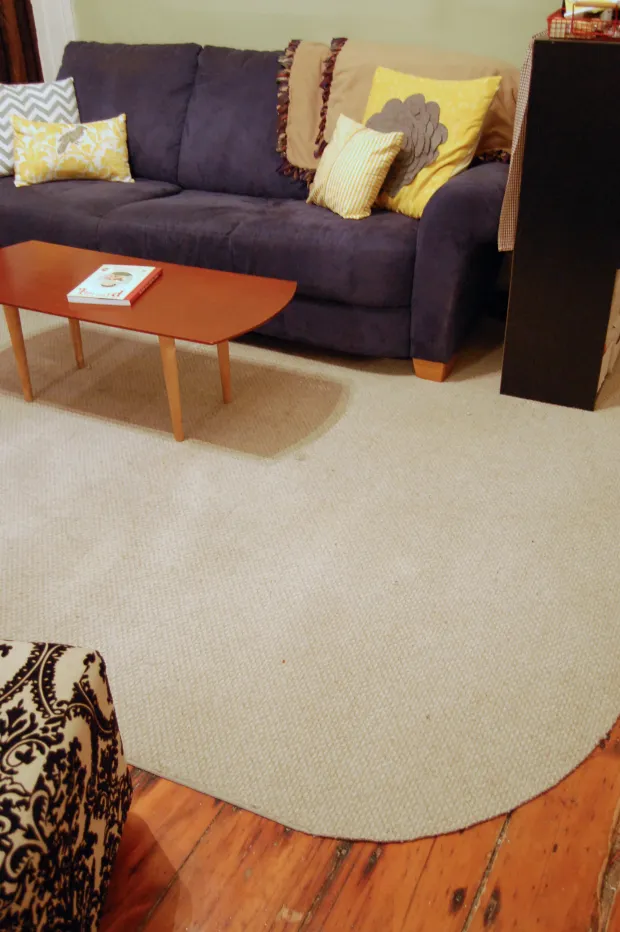
Living and dining areas should look balanced without appearing museum-like. Keep the largest rug under at least the front legs of the main seating, add two or three lamps for evening appeal and use one clear focal point, such as artwork above the sofa. If your dining table is large, mixing chairs can look intentional when each has the same general height and finish. Remove tiny accessories that create visual noise rather than trying to decorate around them.
The kitchen requires cleanliness and function more than perfect staging. Clear benchtops, align appliances, wipe visible stainless steel and open the oven and microwave so they look maintained. A tidy pantry with a few baskets or glass containers reads as generous storage, while a vase of greenery or a covered fruit bowl suggests everyday use. Check that cabinet doors, drawers and taps work smoothly, as buyers often test these during an open home.
Bedrooms and bathrooms can deliver a calm finish with very little effort. Dress beds with simple, clean linen, use matching bedside tables and leave enough floor space for walking around the bed. Bathrooms should smell fresh, have spotless glass and mirrors, and display only one or two coordinated towels. For a brighter, polished look, gold-and-white bathroom styling offers a neutral combination that suits many Australian builds. In humid climates, dry grout and run the exhaust fan after cleaning to prevent returning odours.
Spend on upgrades that have visible impact
Create a “first open home” budget and divide it between essential repairs, lighting and a few high-impact accessories. An electrician can be more valuable than several decorative cushions when a dark room needs another ceiling light or a modern pendant. Repair rather than replace where possible, and photograph each finished area for your records. This approach keeps spending tied to the buyer experience rather than to trends that may date quickly.
Furniture and joinery can often be refreshed rather than discarded. Sand painted pieces, replace tired knobs with a consistent set, and use water-based finishes in well-ventilated areas. A practical example is old dresser bathroom vanity, which shows how a second-hand piece can become a bathroom feature. Check the final height, plumbing clearances and floor area before adapting furniture, and secure every piece for the open home. For plumbing or electrical changes, use licensed tradespeople and confirm any required permits.
Do not spend heavily on fragile temporary decorations, custom renovations or rental furniture that must be moved quickly. Australia’s second-hand marketplaces, local op shops and hardware stores make inexpensive staging pieces accessible, but measure first and favour items you can move safely yourself. If a borrowed or hired object arrives damaged, document its condition and agree on the removal process in writing. A clean, coordinated room using fewer objects usually presents better than a crowded room of inexpensive new pieces.
Run a calm, repeatable open-home campaign
Take listing photographs before the first major open home so the online listing and the physical property feel consistent. Use daylight where possible, hide bins, cords and everyday clutter, and show the full extent of each room honestly. Australian property listings often highlight practical features such as a deck, courtyard, parking, solar panels or a rainwater tank, so include these in the visual story without allowing equipment boxes or hoses to dominate the garden.
Plan the minutes before every viewing. Reset furniture, replace used towels, empty bins, restock the paper towel holder and turn on the same lights. Secure valuables and medications, remove access codes from view, and keep your phone charged so the agent can reach you. In apartment buildings, check body-corporate open-home rules, lift booking procedures, visitor parking and noise restrictions. For tenanted homes, agree on access, notice periods and what can be photographed.
Your local sales method should shape the final timing. Sydney properties are commonly marketed through private treaty, giving you more control over preparation and price adjustments. Melbourne’s strong auction culture means the property must be ready before the campaign starts, not improved in the final week. Warm indoor temperatures, effective blinds and a comfortable flow can influence buyer response as much as décor. Ask your agent which local features create the strongest buyer response, then prioritise those.
The right amount of DIY styling depends on the home, your budget and the sales method. The following comparison helps match the presentation to the campaign without turning the process into a major renovation.
| DIY presentation level | Best suited to | Cost and effort | Main advantage | Main limitation |
|---|---|---|---|---|
| Clean and clear | Time-limited sales, furnished tenancies or budget-focused sellers | Low cost and a few focused days | Makes the space easy to inspect and photograph | Can feel plain if storage and furniture are poorly planned |
| Warm and edited | Family homes and most private-treaty campaigns | Moderate cost and a weekend of work | Adds comfort, colour and a clear sense of flow | Needs careful selection to avoid clutter |
| Polished and room-led | Designer-led homes, premium suburbs and strong auction campaigns | Higher cost and more planning time | Creates a memorable, cohesive first impression | Can waste money if improvements are not visible or useful |