Room-by-room guide to decluttering without losing your mind
Decluttering works best when it feels like a practical home project rather than a dramatic renovation of your entire life. The aim is to make daily routines easier, improve the flow of each room and keep the things that genuinely support how you live. A calmer home can still have books, children’s artwork, collected treasures and the occasional messy corner.
Australian homes bring their own organising puzzles. A compact Sydney flat may need to handle limited storage, while a Brisbane home must contend with humidity and open-plan living. In Melbourne terraces, every cupboard matters, and in many suburban homes the garage or shed quietly becomes a second household. The trick is to work in small zones, make firm decisions and give every useful item a sensible home.
Begin with a calm reset
Choose one room or a clearly defined area, such as a linen cupboard or a single wardrobe rail. Set a timer for 25 minutes and gather four containers labelled keep, relocate, donate and discard. A short session prevents decision fatigue and gives you a visible win before the job starts to feel overwhelming.
Work from the easiest items to the hardest. Begin with rubbish, broken objects and things that clearly belong elsewhere. Then assess duplicates, rarely used possessions and items you are keeping out of guilt. If you have not used something in a year and it has no seasonal or sentimental purpose, it deserves a serious review.
Keep a small cleaning cloth, rubbish bags and a marker nearby, but avoid buying organising products at the beginning. Storage boxes can hide excess rather than solve it. Measure what remains first, then choose baskets, drawer dividers or shelves to suit the space.
Entryway and living room
The entry is where clutter becomes a daily irritation. Keep only the shoes, bags and outerwear used regularly near the door. A tray for keys, a few hooks and one basket for reusable shopping bags can prevent the familiar pile from spreading across a console or dining chair. In a family home, assign each person a hook or cubby so putting things away does not rely on memory.
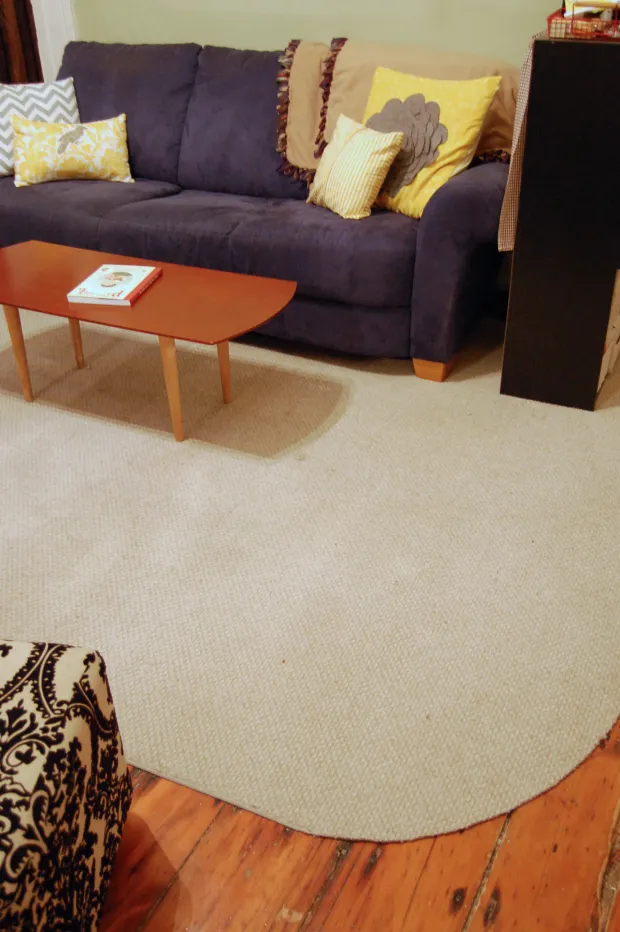
In smaller Australian houses and flats, the living room often has several jobs at once: entertaining, relaxing, working and storing children’s toys. Remove decor that blocks walkways, excess cushions that live on the floor and furniture that makes cleaning awkward. Keep a lidded basket for remotes, chargers and small everyday items, then clear it once a week.
A coffee table needs enough empty space for a mug, a book or a shared meal. Use a tray to contain a few deliberate pieces, and borrow ideas from this coffee table styling guide when the surface feels visually scattered. The goal is a room that feels lived-in, not crowded.
Kitchen and pantry
Start with the kitchen drawers because they deliver quick results. Remove takeaway containers without matching lids, blunt gadgets, duplicate peelers and utensils you never reach for. Keep the most-used tools between hip and eye level, while occasional appliances can move to a higher cupboard or a less accessible shelf.
Check the pantry by date and category. Place opened packets into clear containers only if that genuinely helps you see what you own; decanting every ingredient can create extra work. Group breakfast foods, baking supplies, snacks and tins together, with older items at the front. In Australia, a hot pantry or a humid Queensland kitchen can shorten the life of some foods, so follow storage directions rather than relying on attractive displays.
A “use first” basket is useful for nearly empty packets and food approaching its best-before date. Be realistic about aspirational purchases. If a specialised appliance has been untouched since you bought it, list it on Gumtree, give it to a local community group or take it to an op shop instead of allowing it to occupy valuable bench space.
Bedrooms and wardrobes
A bedroom should support rest, dressing and recovery from the day. Clear bedside tables of old receipts, empty glasses, tangled cables and books you no longer intend to read. Keep a small number of calming items within reach, and move paperwork or work equipment out if they make the room feel like an office.
For wardrobe decluttering, remove everything from one category at a time rather than emptying the entire cupboard. Try on questionable pieces and ask whether they fit your current body, climate and routine. Australian wardrobes often need to cover hot summers, cool winters and casual clothing, so consider a seasonal rotation if space is tight.
Keep clothes that are comfortable, useful and easy to combine. A damaged item can stay only if you have a clear repair plan and a date to complete it. Donate clean, wearable clothing promptly, since bags left in the hallway tend to become permanent furniture. Store sentimental garments separately from everyday clothing so nostalgia does not take over the wardrobe.
Bathroom and laundry
Bathrooms reward ruthless editing. Discard expired medicines according to local disposal guidance, dried-up cosmetics, empty bottles and products that caused irritation. Keep daily toiletries together in a small caddy or drawer section, while occasional items such as travel containers and hair tools can live elsewhere.
Avoid storing more towels and cleaning products than your household can use. A practical rotation might include two towels per person, a few hand towels and a small reserve for guests. In a rental or compact flat, matching fabric baskets can make open shelving look tidy without requiring permanent changes.
The laundry needs clear working surfaces more than decoration. Separate stain treatments, washing products and household cleaning supplies, and keep dangerous chemicals out of children’s reach. A slim hamper system can separate colours, towels and delicates, but only if the categories match your actual habits. If sorting creates extra steps, use fewer compartments.
Home office and digital clutter
Paper multiplies when there is no decision point. Create three categories: action, reference and recycle. Deal with action papers during the same week, scan essential records where appropriate and discard manuals that are available online. Keep warranties, tax documents and property records in a clearly marked folder rather than several random drawers.
Your desk should hold the equipment needed for current work, not every cable you have ever owned. Test chargers before keeping them, label the useful ones and recycle electronic waste through an approved collection point. A small cable box is helpful when it is limited to working cables; a box filled with mystery cords is simply delayed clutter.
Digital decluttering also reduces mental noise. Unsubscribe from retail emails, delete duplicate photos and remove apps you no longer use. Create simple folders for household documents, travel and personal records. Back up important files before deleting anything, then set a monthly ten-minute maintenance appointment so your digital home does not become another overflowing cupboard.
Kids’ rooms and play areas
Children’s spaces need flexible systems that make tidying possible for small hands. Keep everyday toys in open tubs with picture labels, and reserve high shelves for craft supplies, small pieces and activities that need supervision. Fewer choices often lead to deeper play and a faster reset at the end of the day.
Use a rotation box for toys that are still loved but currently create crowding. Bring items back after a few weeks and remove others that no longer attract interest. In Australia, books and toys in a sunny playroom can fade or become damaged, so keep sentimental pieces away from direct light and avoid storing fabric items in damp spots.
Involve children in simple decisions without asking them to discard treasured possessions on the spot. They can choose which outgrown clothes, books or toys to pass on. A regular donation bag near the laundry makes the process routine, while an artwork folder or rotating display gives creations a proper place instead of allowing every painting to cover the fridge.
Garage, shed and outdoor areas
The garage, shed or balcony often becomes the final frontier because it contains bulky, expensive and occasionally useful things. Begin with obvious rubbish, empty boxes and duplicate tools. Group camping gear, gardening equipment, paint supplies and sports items so you can see what is available before buying another version.
Be cautious with items kept for a vague future project. A damaged pot, unused exercise machine or collection of leftover timber needs a clear purpose and a realistic deadline. For heavy objects, local council hard-rubbish collections may be useful, but check the rules before placing anything on the kerb. A ute trip to the tip can also be worthwhile when several large items are ready to leave at once.
Keep frequently used garden tools near the door and store chemicals securely. Outdoor cushions, umbrellas and seasonal decorations last longer when protected from weather and pests. Finish each decluttering session by returning the keepers to labelled zones, sweeping the floor and leaving a little spare capacity. That empty space is what allows your home to stay functional when life gets busy.