Creating A Functional And Pretty Home Command Centre
A home command centre gives everyday information a reliable place to land. It might sit near the front door, in a kitchen alcove, beside the laundry, or inside a compact study nook. The best version combines household organisation with a considered look, so calendars, keys, paperwork and chargers feel like part of the room rather than visual clutter.
Australian homes often need to manage school newsletters, sports timetables, parcel deliveries, dog leads, council bin nights and work-from-home equipment at the same time. A well-planned family message centre makes these routines easier to see and simpler to share, especially when several people leave and return at different times.
The project does not require a dedicated room or expensive cabinetry. With a narrow wall, a few storage pieces, attractive stationery and a clear sorting method, you can create a practical household hub that suits a rental, an apartment or a busy suburban family home.
Choose The Right Location
Look for a place that naturally intersects with daily movement. The wall beside the garage entry, the end of a kitchen run or a section near the laundry can work well. If the command station is hidden in a room that nobody regularly enters, notes will be forgotten and bags will continue to collect on chairs.
For a small Melbourne apartment or a terrace in inner Sydney, a vertical arrangement may be the most efficient option. In a larger Brisbane or Perth home, a mudroom-style zone with a bench, hooks and baskets can handle more equipment. Before drilling, check whether your rental agreement and relevant state tenancy rules allow permanent changes to walls.
A useful test is to observe where household items are dropped for a week. The place receiving keys, school bags and takeaway menus is often the best starting point. If the entry feels plain, you can pair the organisational area with these budget entryway ideas to make the whole arrival zone feel intentional.
Divide The Station Into Clear Zones
Think of the command centre as a collection of small stations rather than one overloaded board. A message area might include a weekly calendar and a magnetic whiteboard. A departure area can hold hooks for keys, reusable shopping bags and dog leads. A paper zone should include separate trays for action, filing and recycling.
Give each household member a visible but limited space. One labelled folder or pocket per person is usually enough for permission slips, appointment letters and school notices. Children can use a low basket for library books or swimming gear, while adults might need a narrow drawer for receipts, batteries and spare keys.
Keep the most frequently used items between waist and eye level. Occasional supplies can go higher, but avoid placing everyday essentials above a child’s reach if you expect children to manage their own school routines. Clear labels, consistent colours and matching containers will make the system faster to understand.
Make Paperwork Easy To Process
A pretty organiser will fail if it does not answer the question, “What happens next?” Use three simple categories: act, keep and leave. “Act” can hold forms requiring a signature, “keep” can store documents that need filing, and “leave” can contain items that must travel out of the house.
A slim letterbox-style wall organiser works well for daily papers, while a lidded archival box is better for long-term records. Keep confidential items away from an open entryway, particularly in a share house or a busy family home. The Australian Privacy Principles are a useful reminder to treat identity documents, medical information and financial paperwork carefully.
For households coordinating health or support information, a dedicated folder can prevent sensitive papers from becoming mixed with school flyers. The NCQRS resource may also provide a useful reference point when organising care-related records and terminology, although personal documents should still be stored securely.
Add Charging And Key Storage
A command centre becomes far more useful when it deals with modern household friction. A small shelf with cable clips can hold phones, tablets and a power board, while a key rail or shallow bowl prevents daily searching. Choose a power solution that keeps cords tidy and allows ventilation around chargers.
Do not hide a power board beneath loose papers or fabric baskets. If you are adding new electrical outlets or changing fixed wiring, use a licensed electrician and follow Australian electrical safety requirements. For a simpler project, run existing cords through a discreet cable box and reserve one labelled charging position for each regular device.
A cork strip or pinboard can soften the technical appearance of chargers and cables. Alternatively, a timber peg rail, linen-covered board or framed magnetic panel can introduce texture. Materials such as pale oak, rattan, powder-coated metal and warm white paint suit both contemporary and vintage interiors.
Use Vertical Space Without Creating Clutter
Wall-mounted storage is valuable in narrow Australian hallways, but too many visible objects can make the area feel chaotic. Start with one main visual anchor, such as a framed monthly calendar, then arrange smaller pieces around it. Leave breathing room between baskets, hooks and artwork so the wall still feels decorative.
A narrow shelf can display a small plant, a ceramic catchall or a framed family photograph. Below it, hooks can hold keys and hats, while a file rack keeps papers off the benchtop. In a rental, removable hooks, leaning ladders and freestanding pegboards can provide similar function with fewer permanent alterations.
Choose storage based on the household’s habits. Open baskets suit items used every day, whereas doors and drawers are better for visual calm. If the command centre is near a sunny window, select fade-resistant finishes and avoid placing important documents where strong Australian light can damage them.
Make The Design Belong To The Room
Organisation does not have to look office-like. Repeat one or two colours from the surrounding interior through folders, labels and artwork. A coastal home might use chalky blue, natural timber and woven baskets, while a modern apartment could rely on black, cream and brushed brass.
Scale matters. A tiny calendar surrounded by oversized frames may look accidental, while a large board on a narrow wall can dominate the entry. Before buying supplies, cut paper shapes to the size of proposed items and attach them with painter’s tape. This quick layout test reveals whether the arrangement feels balanced.
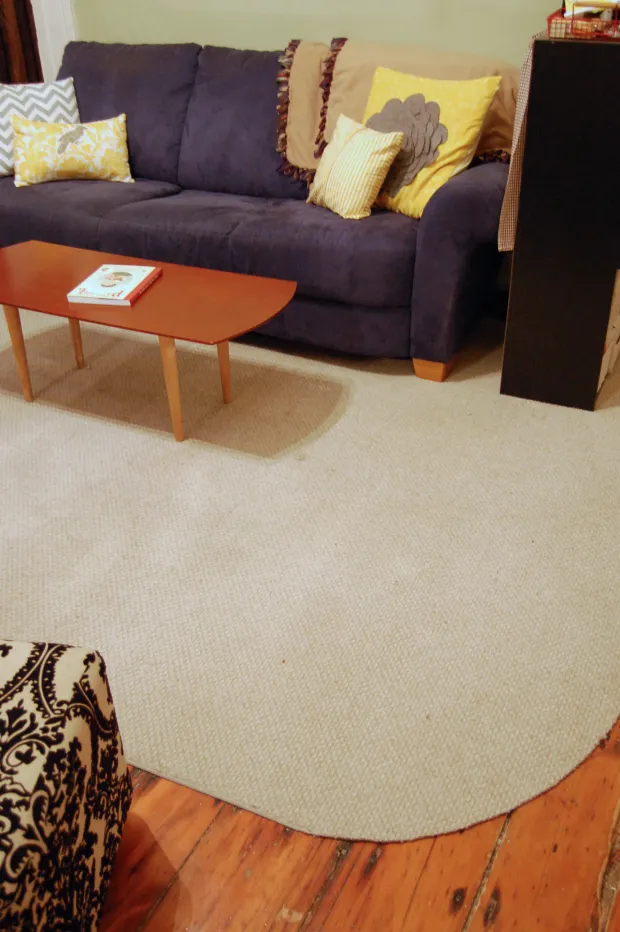
The floor also influences how the station reads. A runner can define an entry zone, but it needs to fit the doorway swing and allow comfortable movement. Use this guide to choose the right rug size before committing to a patterned floor covering, especially in a high-traffic hall.
Match Features To Your Household
Different homes need different levels of storage, display and concealment. A couple working from home may prioritise charging space and parcel management, while a family with primary-school children may need generous pockets for forms and activity equipment. The comparison below can help match a layout to the available space.
| Home situation | Useful features | Best visual approach | Maintenance rhythm |
|---|---|---|---|
| Small apartment | Wall pockets, key hooks, slim shelf | One colour palette and closed storage | Five-minute reset each evening |
| Busy family entry | Hooks, baskets, calendar, paper trays | Durable timber, washable finishes | Sort papers twice a week |
| Rental home | Freestanding pegboard, removable hooks, baskets | Leaning pieces and lightweight frames | Re-label when routines change |
| Home office zone | Charging shelf, document drawers, pinboard | Coordinated stationery and concealed cables | File paperwork weekly |
| Shared house | Individual folders, labelled key spots, message board | Neutral pieces with clear names | Review shared notes on Sundays |
The most successful arrangement is easy to reset. Keep recycling close to the paper trays, place a pen directly beside the calendar and use containers that can be opened with one hand. Small conveniences remove the resistance that causes clutter to spread elsewhere.
Keep The System Useful Over Time
A command centre needs a short routine, not constant attention. Choose one weekly reset day to remove expired notices, update the calendar, empty the action tray and return stray keys. In many Australian households, Sunday evening works well for checking school events, work commitments, sports fixtures and rubbish collection reminders.
Review the design every few months. Children grow, work patterns change and devices multiply, so a setup that worked in January may be awkward by winter. Replace an undersized basket, remove unused hooks or move the calendar to a more visible position rather than allowing the whole system to become overloaded.
For further room-styling ideas, practical projects and approachable decorating guidance, explore Jeeze Julia while refining the surrounding entryway or family workspace. A command centre should support the way your home actually operates, with enough structure to reduce stress and enough personality to feel like it belongs there.