How to Mix Vintage and Modern Furniture With Confidence
A home feels most personal when it shows more than one era. The clean lines of a contemporary sofa can make an antique cabinet look intentional, while a well-loved timber chair can bring warmth to a room filled with new pieces. The aim is not to recreate a period interior or make every item match. It is to create a visual conversation between old and new. Learn more about Privacy.
Mixing furniture styles works best when the room has a sense of rhythm. Repeated colours, similar shapes, balanced proportions and carefully chosen textures help different pieces feel connected. Without those links, a vintage item may look like an accidental op-shop find rather than part of the design.
Australian homes are particularly suited to this approach. A Melbourne terrace, a Sydney apartment, a Queenslander in Brisbane or a newer suburban build can all benefit from layered furnishing. Local homes often combine practical open-plan living with inherited pieces, second-hand discoveries and relaxed entertaining areas.
The process can also be budget-friendly. You do not need to replace an entire room to create a polished result. A thoughtful floor plan, a restrained colour palette and a few modern finishing touches can make furniture from different decades sit comfortably together.
Begin with a clear visual direction
Before buying anything, decide how you want the room to feel. Soft and collected, warm and rustic, refined and elegant, or colourful and playful are all useful starting points. This broad direction will help you judge whether a vintage piece contributes to the mood or simply attracts attention on its own.
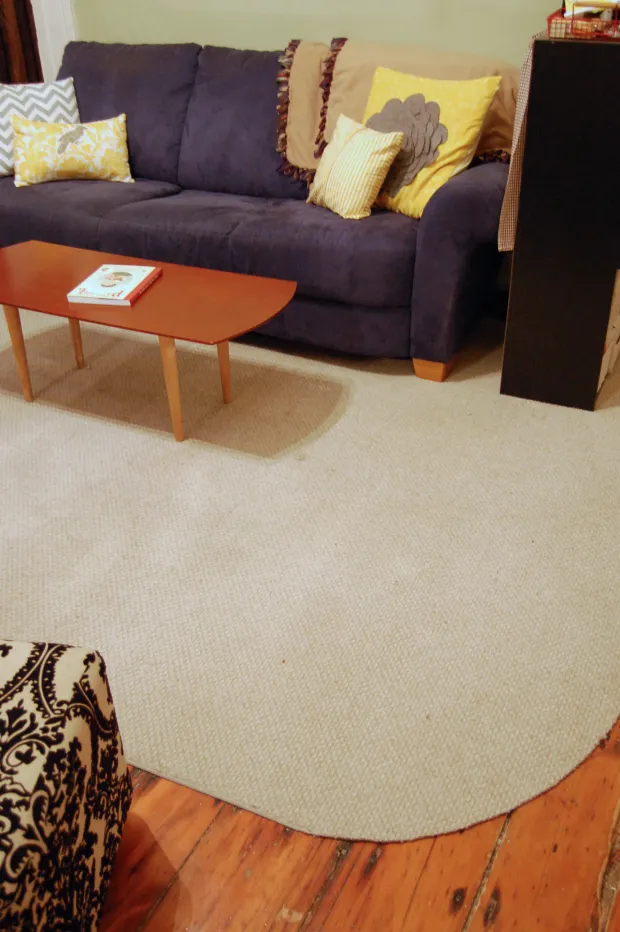
Choose one dominant style and let the other act as an accent. For example, a contemporary living room might include a streamlined sofa, simple curtains and a modern rug, with a vintage timber sideboard providing character. Alternatively, a room centred on mid-century furniture could be refreshed with a sculptural lamp, a large abstract artwork and clean-lined occasional tables.
Create a small reference collection of colours, materials and shapes before shopping. Save images of rooms you like, photograph existing furniture and note the finishes already present. This prevents impulse purchases, especially when browsing weekend markets, Facebook Marketplace or Australian op shops.
Use proportion to connect different eras
Scale is often more important than style. A delicate antique chair can disappear beside a deep modular sofa, while a small modern coffee table may look insignificant next to a substantial Victorian cabinet. Compare the height, width and visual weight of every major piece before bringing it into the room.
If one item is especially large or ornate, balance it with another object of similar presence. A tall vintage bookcase might work beside a generous contemporary floor lamp. A curved retro lounge can be paired with a broad, low coffee table rather than several tiny accessories that make the arrangement feel busy.
Leave enough breathing room around statement furniture. Crowding makes a mixed-style room look confused because the eye has nowhere to rest. In compact Sydney apartments, a narrow console, armless occasional chair or wall-mounted shelf may be more effective than forcing full-sized furniture into every corner.
Build harmony through colour
Colour is one of the easiest ways to unite old and new furniture. Start with a base of two or three quiet shades, such as warm white, sand, muted grey, olive or soft blue. Then use textiles and accessories to repeat one or two stronger tones across the room.
A vintage walnut cabinet may feel more contemporary when placed against a pale wall with a modern artwork above it. A bright retro armchair can become part of the wider scheme when its colour appears again in cushions, a rug or a ceramic vessel. Repetition makes contrast feel deliberate.
Paint can also connect pieces that do not naturally belong together. If the room needs a stronger backdrop, use this accent wall guide to choose a shade that supports both the furniture and the natural light. In sun-filled Australian rooms, test samples at different times of day because intense northern light can make colours appear much brighter.
Combine materials with restraint
Mixed furniture becomes more cohesive when materials are layered thoughtfully. Timber, linen, leather, metal, glass and ceramics each bring a different character, but too many competing finishes can make a room feel fragmented. Select a few materials and repeat them in small, useful ways.
For instance, pair a polished modern sofa with a vintage timber table, woven basket and aged brass lamp. The combination feels balanced because the materials move between smooth, tactile, warm and reflective surfaces. A contemporary dining setting can gain personality from old timber chairs, provided the table and lighting keep the composition grounded.
Aim for contrast without creating a showroom of unrelated objects. If you have several dark timber pieces, introduce lighter upholstery or pale flooring. If the room contains plenty of metal, soften it with wool, cotton or rattan. This approach is especially useful in Brisbane and other humid climates, where breathable fabrics and easy-care natural materials are practical choices.
Give vintage furniture a modern role
An older piece feels current when it performs a clear function. Use a vintage dresser as a bathroom vanity, a cabinet as a media unit, or a small writing desk as a compact work-from-home station. A modern purpose helps the item feel integrated rather than preserved like a museum object.
Avoid over-restyling every vintage find. Scratches, faded finishes and small marks can provide charm, particularly when the surrounding furniture is simple. However, check that drawers, joints and hardware are sound. Items bought second-hand may need repairs, pest inspection or a careful clean before they enter the home.
Updating one detail can be enough. Replace damaged upholstery with a durable contemporary fabric, add new handles to a cabinet, or pair an old table with modern chairs. For Australian households, choose finishes that can handle daily use, sandy feet, children and entertaining rather than selecting a delicate look that requires constant protection.
Let lighting and artwork bridge the styles
Lighting has a powerful role in making a mixed room feel intentional. A modern pendant over a vintage dining table creates a clear focal point, while an antique lamp on a sleek sideboard reverses the contrast. Use a combination of ambient, task and accent lighting so the furniture remains attractive after sunset.
Artwork can connect periods without requiring every object to match. Hang a contemporary print above an old cabinet, or place a traditional landscape near a modern sofa. Look for shared colours, repeated line shapes or a related subject rather than trying to match the frame to every other finish.
Mirrors, ceramics and textiles provide smaller links between eras. A vintage mirror can reflect a modern light fitting, while a contemporary rug can define a seating area containing older chairs. In rental properties or heritage homes, removable hooks and carefully positioned floor lamps allow you to add personality without making permanent alterations.
Shop slowly and edit often
The strongest rooms usually develop over time. Begin with essential furniture, live with the arrangement and notice what the space lacks. You may discover that an empty wall needs height, that a dark corner needs a lamp, or that the room already has enough decorative objects.
When shopping for second-hand furniture in Australia, inspect dimensions carefully and ask about access, especially for apartment lifts and narrow staircases. Check Marketplace listings against new retail prices, and remember to include delivery, restoration and upholstery in the total cost. Local vintage stores, council reuse centres and community markets can reveal distinctive pieces at different price points.
Safety and legality matter when restoring or adapting older items. Have vintage electrical fittings assessed by a licensed electrician, and do not assume old wiring is safe because a lamp still works. If you live in a strata apartment, check by-laws before changing flooring, attaching heavy items to shared walls or moving bulky furniture through common areas.
Finish with a practical editing pass
Stand back and assess the room from several viewpoints. You should be able to identify a few focal points, but no single object should make everything else feel irrelevant. If the space appears cluttered, remove accessories before buying replacements. A quieter arrangement often makes the furniture itself more impressive.
Check the practical flow as well as the appearance. Walkways should remain clear, doors and drawers should open fully, and seating should support conversation. Keep valuable or fragile vintage pieces away from direct sun, heaters and high-traffic areas. Use coasters, washable throws and discreet furniture pads where everyday wear is likely.
Finally, trust the pieces that have meaning. A chair inherited from family, a cabinet found in regional Victoria or a lamp collected during travel can give a room more identity than a perfectly coordinated suite. When those personal objects are supported by modern proportions, repeated colours and sensible spacing, the contrast feels considered rather than clashing. Make room for the home to evolve, and the mix will become more natural with every layer.