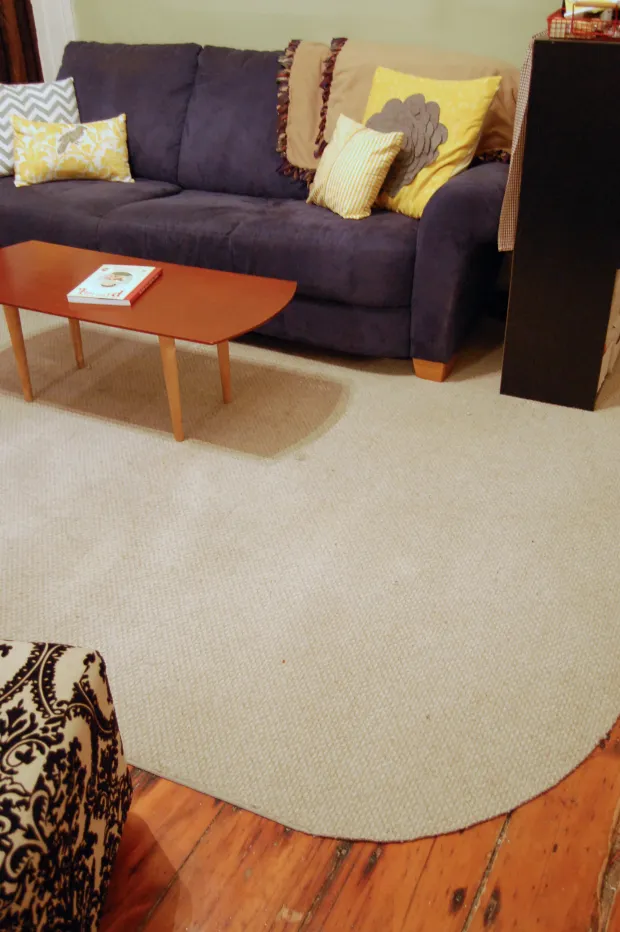
Layering rugs like a pro: A step-by-step guide
Layering rugs can make a room feel soft, considered and more finished without replacing every piece of furniture. The principle is simple: treat the rugs as one composition, not two competing floor coverings. Start with the larger layer, then add a smaller one for pattern, texture or a welcome splash of colour.
A good scheme starts with the room itself: where people walk, where the furniture sits and how much bare floor should remain visible. This approach is especially useful in the open-plan living areas common in new homes around Sydney and Melbourne, where one large rug can anchor the lounge and another can define the dining space.
The size combinations below offer practical starting points, not fixed rules. Measure before you shop, work from the bottom layer upwards and check the arrangement in daylight and lamplight. Layered rugs should feel relaxed, not fussy, and give a room flexibility without a costly makeover.
| Space | Base layer | Upper layer | Purpose |
|---|---|---|---|
| Open living area | 240 x 320 cm | 200 x 300 cm | Offset the upper rug to expose an even base border |
| Compact lounge | 200 x 300 cm | 140 x 200 cm | Keep walkways clear of the smaller rug |
| Dining zone | 200 x 300 cm | 160 x 230 cm | Let pulled-out chairs remain on the upper rug |
| Bedroom | 200 x 300 cm | 140 x 200 cm | Finish at or just below the bed’s foot |
Choose the base rug
Begin with the larger rug, usually one that defines a seating or dining zone rather than covering the entire room. Its job is to anchor the furniture and leave a deliberate border of visible floor. That border helps an open-plan space flow, while giving a smaller upper rug somewhere to sit.
Choose the base texture according to use. A low-pile wool or flatweave suits a busy family room; a deeper pile feels luxurious in a quieter bedroom. Long shag is impractical beneath a sofa because grit works its way down. For broader decorating ideas and practical home projects, browse Jeeze Julia.
Measure the room and plan the layers
Measure the room, then tape out the proposed base rug with painter’s tape. Leave a strip of visible floor along a freestanding wall, or push the rug under the front legs of the sofa. Furniture should look settled on the rug, not stranded beside it, and that detail matters more than perfect centring.
Check doorways, sliding tracks and the route from the front entrance. If you are also upgrading the entry, make sure the door can open fully without catching a rug edge; this entrance door safety guide is a useful companion read on soundproofing and secure fitting. In Brisbane homes, tiled entries often meet timber floors, so that transition needs to look deliberate.
Australian rugs are commonly sold in metric sizes such as 160 x 230 cm and 240 x 320 cm. Compare the labelled dimensions with your tape-out, and allow for small shape differences between makers. It is worth a squiz from the doorway before you commit, since a showroom rug can crowd a compact room.
Match scale, colour and texture
With the base chosen, select the smaller rug to add contrast while sharing a visual thread. Echo one colour, repeat a motif, or keep the palette to two main hues and a neutral. A patterned upper layer works well over a plain base; a bold base can handle a quieter top rug. Aim for contrast without noise.
Texture can do the quiet work. Pair a flatweave with lightly textured wool, or soften a hard geometric rug with a smaller vintage-style pattern. Check both rugs in daylight and under evening lamps, particularly in a west-facing room where strong Australian summer sun can fade the colours.
Place the layers so the room flows
Lay the base rug square to the room’s main lines, then position the upper rug parallel with the sofa or bed. Offset it slightly rather than centring it like another base rug. An even band of the larger layer around the top one makes the arrangement look deliberate and gives the pattern room to breathe.
Place the upper rug where people pause. In a lounge, position it near the coffee table and sofa; in a dining room, make it large enough that pulled-out chairs remain on fabric. In a bedroom, finishing the smaller rug at or just below the foot of the bed gives a soft landing without making the room feel top-heavy.
Avoid stacking two deep, springy piles. Their edges can curl, twist or lift, creating a trip hazard. A low-pile upper layer over a firm base is more stable, while a good non-slip pad under the base helps the whole arrangement stay put. Turn and flip the top rug occasionally to distribute pressure and wear.
Balance furniture, traffic and safety
The layered rugs should support the furniture plan, not force a crowded layout. If the sofa floats well beyond the base rug, the composition can look unfinished. Pull it inward until the front legs rest on the larger layer. In a compact apartment, skip the upper rug if it narrows the walkway; one generous rug can make more visual space than two tight ones.
Think about traffic before adding the decorative layer. A top rug in a play area should be washable or easy to shake out, while the base handles vacuuming and spills. Keep the dining table clear so chair legs do not catch the upper edge when someone stands up. Near a sliding door, check that no rug edge can obstruct the track.
Choose a firm backing and secure corners where children or older relatives use the space, rather than relying on a heavy rug to stay flat. Layering should feel generous, never precarious. Once the proportions are right, changing the upper rug can refresh the room for a new season without moving the heavy furniture.
Style the layers with other textiles
Repeat one or two colours from the upper rug in cushions, throws or curtains so the floor feels connected to the room. The designer throw styling guide shows how softer textiles can create balance without clutter. A folded throw over the sofa arm and two cushions in the same palette are enough; matching every item exactly can make a scheme feel rigid.
Layer texture above the floor too. Smooth linen, nubby wool and a little vintage embroidery can keep a simple rug scheme from feeling flat. A small handmade textile project can supply the accent colour without another large purchase. Keep the strongest pattern on the rug, and let quieter accessories carry the finer details.
Finish with care and room-specific touches
Vacuum both layers regularly, working with the direction of the pile, and lift the smaller rug occasionally to clean beneath it. Shake out dust before it settles into the fibres, and blot spills promptly with a clean cloth instead of rubbing. Rotate the upper rug every few months to keep one edge from curling and to even out wear.
Australian summers bring strong sun, and coastal homes also face damp and salt air. Keep wool and jute layers out of prolonged direct sunlight, particularly on a west-facing verandah, and bring them indoors if rain is driven through open windows. In a beach house, washable synthetic layers may be more forgiving than delicate natural fibres.
Give the scheme time to settle, then walk through it on a busy morning. In a child’s room, choose a washable smaller rug and keep toys in a basket; in a bedroom, a runner at the foot of the bed can finish the base layer; in a hallway, use a secure runner and leave the door swing clear. Well-proportioned layers make a room feel relaxed, composed and ready for everyday life.