How to Arrange Throw Blankets and Cushions Like a Designer
There's an art to making a lounge look like it belongs in a magazine spread, and the secret usually lives in the soft furnishings. Throw blankets and cushions are the finishing touches that pull a room together, yet tossing them on the sofa randomly rarely produces the relaxed, curated look most people crave. The good news is that styling these pieces well comes down to a handful of repeatable principles used by designers across Australia and beyond.
Whether you live in a compact Sydney apartment, a weatherboard home in Adelaide, or a sprawling Queenslander with pressed metal ceilings, the right combination can soften hard lines, introduce texture, and tie an awkward palette into a coherent whole. The trick lies in treating your accessories as a deliberate part of the room rather than an afterthought grabbed from the linen cupboard at the last minute.
Australian homes tend to embrace indoor-outdoor living, which means soft furnishings often pull double duty. A throw draped on the sofa also gets grabbed for a chilly evening on the verandah, and cushions get shifted between settings during a barbecue. That reality shapes how designers think about fabric choice, durability, and arrangement in this country.
Before reaching for every cushion you own, it helps to think of the sofa as a blank canvas. Clear decisions about palette, texture, and proportion will save you from the common trap of a cluttered, over-stuffed look. The walkthrough below breaks those decisions into simple steps anyone can follow.
Build a palette that anchors the room
A cohesive colour story is the foundation of professional-looking styling. Pick two or three accent colours that already appear somewhere in the room, whether that's a rug, a piece of artwork, or a leafy indoor plant pot, and let those tones guide your selection. This approach creates visual harmony without forcing every piece to match exactly.
In Australian homes, palettes often lean towards earthy neutrals, soft whites, and botanical greens that echo the natural landscape. A coastal home in Byron Bay might call for sandy beige, washed blue, and crisp white, while a terrace in inner Melbourne could lean into charcoal, rust, and muted ochre. The exact colours matter less than the discipline of limiting your palette to a small, intentional group.
Once you've settled on your colours, introduce them in varying proportions. A useful rule is to choose one dominant colour that appears in about sixty per cent of your accessories, a secondary tone in thirty per cent, and an accent pop in the remaining ten. This distribution feels balanced and avoids the pitfall of everything competing for attention.
Layer textures to create visual depth
Texture is what stops a neutral palette from looking flat. Mixing materials such as linen, velvet, boucle, chunky knit, and woven cotton adds dimension and invites people to touch the space. Designers often pair lightweight linens with heavier wools, since the Australian climate swings from warm summers to surprisingly cool winter nights, especially in Tasmania or the Southern Highlands.
Think of texture the same way you think of colour. Choose a hero texture, a supporting texture, and a single contrasting texture to keep the eye moving. A bouclé cushion beside a smooth linen one, paired with a cable-knit throw draped over the arm, gives you three layers without anything feeling overworked.
Smaller details matter too. A cushion with a subtle woven stripe, a fringed edge, or a hand-stitched tassel introduces a tactile element that elevates everyday pieces. These little touches also help budget-friendly finds from stores like Adairs or Kmart look far more expensive than they are.
Master the odd numbers rule
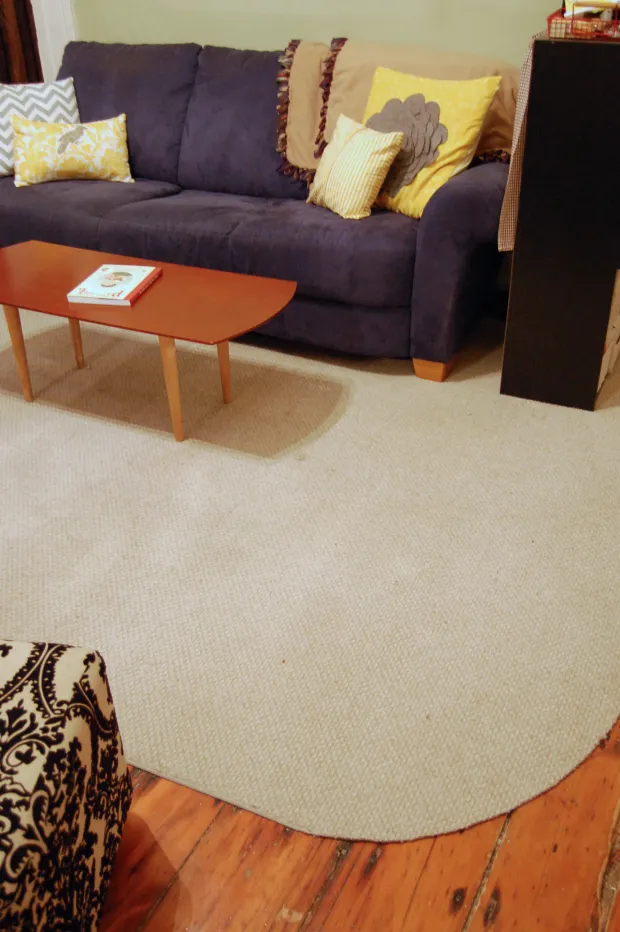
Stylists almost always work in odd numbers, because groups of three or five feel more dynamic and natural to the eye than symmetrical pairs. Two cushions on a sofa can look like an afterthought, while three or five create a deliberate arrangement that draws the eye across the piece.
On a standard three-seater, a common starting point is three cushions across the back, then two smaller accent cushions in front. On a larger modular sofa, you can extend to five or seven across the longest section, keeping the arrangement slightly asymmetrical for a relaxed feel. The goal is to avoid anything that looks too perfectly mirrored, which can read as formal or staged.
If you're working with a smaller armchair or a loveseat, a single cushion paired with a folded throw can be enough. Trying to crowd too many pieces onto a small frame is one of the fastest ways to make a room feel cluttered, particularly in the compact apartments common across Sydney and Melbourne.
Get the sizing and proportion right
Scale matters as much as colour. A tiny cushion lost between oversized arms looks awkward, and an enormous cushion can swallow a delicate sofa. A general guideline is to choose cushions that roughly fill the backrest height of your sofa, with the largest pieces in the back row and progressively smaller ones in front.
For throws, the way the fabric drapes is what makes the styling look intentional. A throw folded neatly over one arm creates a clean, tailored look, while a throw casually tossed over a corner reads as relaxed and inviting. Both work, but consistency across the room helps everything feel cohesive. If you're styling a large open-plan area, the tips for arranging furniture in an open concept layout can help you place soft furnishings within the wider space.
Australian safety standards, governed by the AS/NZS regulations for domestic furnishings, also play a role in your choices. Many locally sold cushions and throws come with labelling that confirms they meet flammability requirements, which is particularly important for anyone with an open fireplace, a popular feature in many Adelaide and Canberra homes during winter.
Rotate with the seasons
Soft furnishings are one of the easiest and most affordable ways to refresh a room throughout the year. Lighter linen and cotton covers in pale colours work beautifully during the warmer months, while heavier velvets, wools, and chunky knits bring warmth once the temperature drops. Swapping covers, rather than buying brand new inserts, is a sustainable approach that suits most Australian households.
Storage is worth thinking about ahead of time. A vintage trunk, a woven basket, or an ottoman with internal storage can hold off-season cushions and throws without creating clutter. This is especially handy in homes where space is at a premium, such as inner-city terraces or new-build apartments in Brisbane's growing suburbs.
If you're planning a more permanent refresh, consider the backdrop your soft furnishings will sit against. The how to choose the perfect accent wall color for any room guide offers a useful starting point, since cushions and throws read very differently against a moody charcoal wall compared to a soft, sun-washed white.
Work with your sofa style
Different sofa shapes call for different arrangements. A deep, low-line modular sofa, popular in contemporary Australian builds, often looks best with one large square cushion per seat plus a single lumbar cushion for support. A more traditional rolled-arm sofa benefits from a fuller arrangement of three to five cushions in a layered, slightly casual layout.
Sectionals with chaise ends can look a little bare on the longer section, which is where a folded throw draped across the arm or backrest makes the biggest visual difference. For window seats, daybeds, or built-in bench seating, a mix of cushions in slightly varying sizes creates an inviting look that suits reading nooks and bay windows alike.
Outdoor entertaining areas deserve the same attention, particularly for homeowners who treat their patio like an extension of the living room. Weather-resistant cushions in coastal blues, leafy greens, or sandy neutrals mirror the same palette principles used indoors, helping the two zones feel connected when the bi-fold doors are thrown open.
Add the finishing touches
The final step is all about edit and restraint. Step back from the sofa and look at the arrangement from across the room. If anything feels visually heavy, awkward, or repetitive, remove it. Designers often work by adding more first, then subtracting until the composition feels effortless.
A small piece of art, a styled tray, or a cluster of candles on a nearby coffee table reinforces the colour and texture story you've built. Greenery, whether a large fiddle leaf fig in the corner or a trailing pothos on a side table, introduces another layer of natural texture that complements soft furnishings beautifully. For more inspiration on pulling a whole room together, easy organized home tips offers practical walkthroughs that pair well with the cushion and throw approach.
Arranging throw blankets and cushions like a designer is less about spending a fortune and more about making considered choices. A clear palette, varied texture, odd numbers, and the right scale will get you most of the way there. The rest is trusting your eye and editing until the room feels both lived-in and quietly polished.