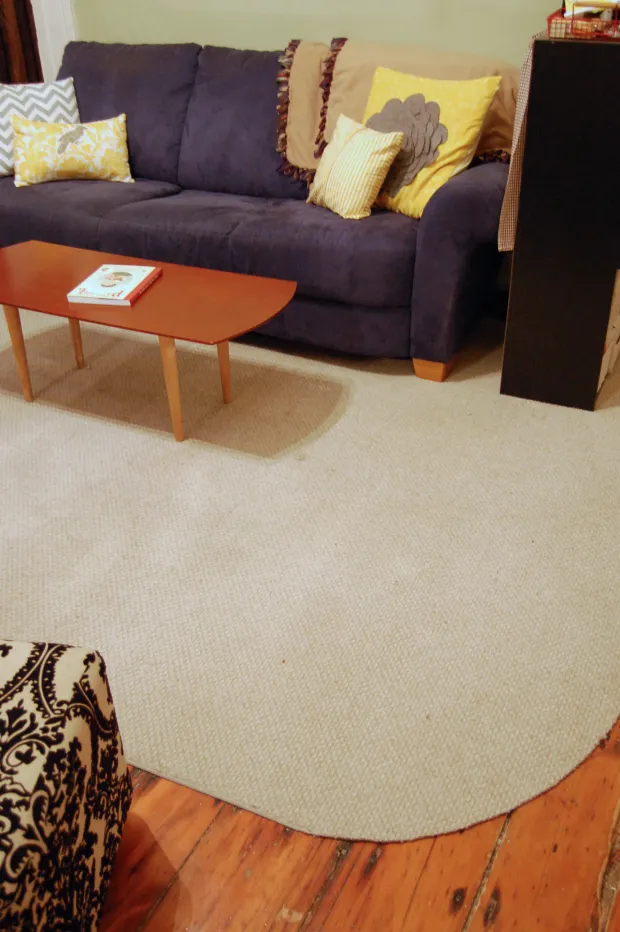
Simple Sewing Projects to Refresh Throw Pillows for a Cosier Home
Throw pillows have a quiet kind of power. A tired cushion slumped in the corner of a loungesofa can make an entire room feel heavier than it really is, while a freshly stitched cover can lift the same space in an afternoon. For anyone who likes to tweak their home without committing to big renovations, sewing projects for cushions offer the perfect middle ground. The work is small enough to finish in a weekend, the materials are affordable, and the result is something you'll actually lean against every evening.
In Australia, where sun-bleached palettes and relaxed indoor-outdoor living shape how we decorate, refreshing your cushions also makes practical sense. Coastal humidity in Sydney, dry heat in Adelaide, and the dusty summers of inland Queensland all take a toll on textiles. Rather than tossing faded or sagging cushions, a few simple stitches can give them a second life and keep them out of landfill for another few years.
Choosing fabrics that suit Australian living rooms
The fabric you choose sets the tone for the entire project. Cotton and linen blends remain favourites in Australian homes because they breathe well in warm weather and soften with every wash. Heavyweight canvas works brilliantly for floor cushions that get dragged out to the patio for weekend barbecues, while cotton-linen mixes in muted bush tones slip easily between coastal Hamptons style and modern Australian interiors.
Shopping locally opens up wonderful options. Spotlight and Lincraft stock affordable canvas and quilting cotton by the metre, and weekend treasure hunts at Vinnies or Salvos op shops in Brisbane, Melbourne or Perth often turn up vintage fabric lengths, tablecloths and tea towels that beg to be turned into cushion covers. Cutting a vintage tea towel to size and hemming the edges creates a charming cover with very little effort at all.
For homes with strong afternoon sun streaming through west-facing windows, consider a slightly thicker weave. Sheer linen may look beautiful in a stylist's photograph, but it fades quickly under the harsh Australian light. A medium-weight cotton in a darker botanical print, a tonal stripe, or a heritage floral will hold its colour far longer and feel right at home alongside a rattan armchair or a vintage jute rug.
Sewing an envelope cover in an afternoon
The envelope cover is the gateway project for almost anyone learning to sew cushions. There is no zip to install and no buttonholes to wrestle with, just two overlapping panels at the back that hold the insert neatly in place. Measure your cushion insert, add two centimetres to each side for seam allowance, and cut two rectangles of fabric to that finished size.
Lay the two pieces right sides together, stitch around three edges, then hem the two back panels separately before joining them. Turn the cover right side out, press the edges with a hot iron, and slip the insert inside. The overlap at the back hides the opening neatly and makes washing the cover a simple matter of unstuffing and tossing it in the machine.
This project suits beginners because the seams are straight and the only tools required are a sewing machine, an iron, scissors, and a few pins. Many community centres across suburban Melbourne, Sydney and Adelaide run short intro-to-sewing courses, and the skills learned in a single class will outlast any number of store-bought cushions.
Adding piping and trim for a tailored look
Once the envelope cover feels too easy, the next step is adding piping along the seam. Piping is a cord encased in a strip of bias fabric, stitched into the seam of the cushion to create a defined edge. It instantly gives a handmade cushion a more polished, furniture-grade appearance, and the technique transfers to chair covers, headboards and bench seats.
Most Australian fabric shops sell packaged cord in a range of thicknesses, and ready-made bias tape works well for beginners who want to skip cutting their own bias strips. Cut the piping slightly longer than each seam, pin it to the right side of the fabric with the cord running along the seam line, then stitch carefully around all four sides. The trick is to keep the stitching close to the cord without riding over it.
If piping feels fiddly, a simpler alternative is a flat trim. Pom-pom trim, fringed edging, or a row of flat tassels can be stitched on with a simple straight seam once the cover is finished. These trims are widely available at craft markets in Paddy's Markets in Sydney, the Queen Victoria Market in Melbourne, and online from Australian makers who ship across the country.
Mending and patching old favourites
Not every refresh starts with new fabric. A beloved cushion with a torn corner or a faded centre panel often carries more meaning than a brand-new one, and visible mending has become a quiet celebration of that idea. Borrowed from Japanese sashiko and traditional Scandinavian textile repair, the technique turns small flaws into decorative features.
For a torn seam, simply unpick the damaged stitches, trim away any fraying, and resew with a fresh thread. For a worn panel, cut a patch from contrasting fabric, pin it over the damaged area, and stitch it down with a small running stitch in a deliberately visible colour. Indigo thread on natural linen, or a rusty red on sage green, can look beautifully considered.
This approach also works well on vintage embroidery pieces, heirloom linens, and even a child's first artwork printed onto fabric. A framed patch on a tired cushion cover becomes a small story you can point to when friends ask about it, and the mending itself becomes a meditative Sunday project with a cup of tea.
Playful details with pom-poms, tassels and buttons
Small embellishments can completely change the personality of a cushion without altering its shape. Pom-poms in cotton yarn add a soft, textural edge to a child's reading nook cushion, while tassels in heavier rope-style yarn suit a more grown-up scheme. Buttons sewn along the back overlap of an envelope cover add a touch of nautical charm, especially when paired with ticking stripes or denim.
Hand-stitched embroidery is another accessible option. A row of simple running stitches, a scattering of cross-stitches, or a single bold motif like a wattle sprig, a gumnut, or a kookaburra silhouette can transform a plain cover. Iron-on transfer patterns from Australian designers such as those stocked at Eckersley's make it easy to trace a design onto fabric even without strong drawing skills.
For something quicker, fabric paint and stencils offer instant personality. A terracotta-coloured stencil on a natural linen cover channels the warm tones of the Australian outback, while a soft sage pattern picks up the colours of eucalyptus foliage. Both finishes are washable once heat-set and will survive plenty of couch-side cups of tea.
Mixing patterns, colours and textures
Australian interiors have grown wonderfully confident with mixing. A coastal Perth home might pair indigo-striped linen with a faded floral and a chunky knit throw, while a Brisbane Queenslander might lean into botanical prints, raw silk and rattan. The secret to making these combinations sing is to keep one element consistent, whether that's a shared colour family, a repeated motif, or a common thread weight.
Stick to two or three colours across the whole cushion cluster to avoid visual noise. If the sofa is a neutral oat or grey, bolder patterns can take centre stage on the cushions. If the sofa is already a strong colour, simpler textures such as a flat linen, a fine waffle weave, and a subtle stripe will add interest without competing.
Texture is just as important as colour, and a few living plants can tie everything together. A simple small windowsill herb garden near the seating area picks up the greens in botanical prints and brings the whole corner to life, while cushions made from linen, boucle and cotton each catch the light differently to add real depth.
Styling refreshed pillows around the home
Once the covers are stitched, pressed and stuffed, the real pleasure begins. Cluster three cushions in odd numbers at one end of the sofa, layering the largest at the back and the smallest in front. Swap the whole arrangement seasonally: heavier wools and deeper colours in winter, lighter linens and brighter botanicals as the weather warms and windows stay open longer.
Refreshed cushions also shine in unexpected places. A single patterned cushion on a kitchen banquette adds warmth to a hard surface, and a pair of matching floor cushions turns a corner of the verandah into a relaxed reading spot. Even a single fresh cover on an old armchair can shift the mood of an entire room.
Finally, rotating covers is a chance to edit thoughtfully. If the cushion collection has grown unwieldy, working through a decluttering guide helps keep only the favourites that earn their place. A small stack of well-loved, freshly covered cushions will always feel more inviting than a mountain of tired ones gathering dust in the linen cupboard.