Styling a nursery that grows with the baby
A nursery has to work twice: first as a calm, safe space for feeds, nappies, sleep and settling, then as a practical room for a mobile toddler. Thoughtful furniture, adaptable storage and removable details can carry the room through those stages without the constant expense or disruption of a complete redesign.
Australian family homes add a few familiar considerations, from compact city apartments to houses with sunny courtyards or expansive backyards. The aim is a room that feels warm and personal while remaining easy to clean, adjust and live in as family routines change.
Plan around real-life care
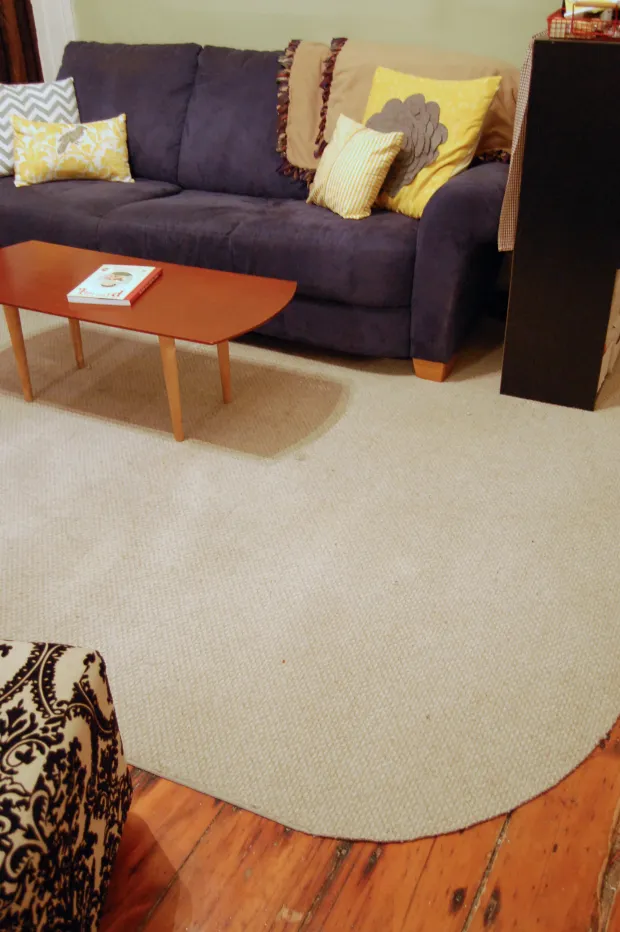
Measure the room before choosing anything, including the space needed to open the door, pull out a change mat and move between the cot and wardrobe. Sketch the daily route from storage to changing table to cot so shelves and furniture do not become obstacles. A small rug can define the care area, but keep loose rugs away from the cot’s sleep surface.
A baby safety guide can help with purchasing checkpoints, particularly for secondhand items. Check that a cot meets the current Australian and New Zealand safety requirements, inspect hinges and rails for wear, and confirm that any mattress supplied is firm, flat and correctly sized. Bumpers, pillows, loose blankets and soft toys should stay out of the cot.
Look for furniture that meets the current AS/NZS 4139 requirements, and retain receipts and compliance information. The Australian Consumer Law provides protection when a product is faulty, unsafe or materially different from its description. In NSW, working ceiling smoke alarms are generally required in bedrooms and on hallways or landings; families renting should ask the landlord to address missing, defective or improperly positioned alarms.
Choose furniture that can change roles
Start with a cot that will meet the baby’s needs before any decorative priority. Place it away from windows, heaters, blind cords and direct afternoon sun, while leaving enough space to make the bed comfortably. A changing table beside the cot can make late-night care easier, but a broad dresser with a fitted changing pad may offer more useful storage later.
Choose a dresser that can hold nappies, wipes, folded clothes and eventually books or craft supplies. Stackable drawers and modular shelving are valuable in Australian homes where rooms are often asked to support several uses. Avoid narrow towers that can tip, and anchor substantial furniture to the wall according to the manufacturer’s instructions.
Australian shoppers commonly move between baby boutiques, Bunnings, Kmart, Target and online marketplaces, making durability and value important. Gumtree, Facebook Marketplace and local resale shops can also provide well-made storage pieces, provided their condition and safety can be checked. Most retail prices include 10% GST, and comparing the final cost helps when investing in items intended to last several years.
Keep colour, light and textiles flexible
A soft neutral base makes future changes straightforward. Warm white, pale grey, muted green and dusty blue work well with natural timber, while a stronger accent can appear through a lamp, basket or artwork. Paint the walls in a durable washable finish rather than choosing a nursery-only colour that may feel dated once the child’s interests emerge.
Layer plaincot bedding with washable textiles that can move to a bed, playroom or guest room later. Curtains with both blackout fabric and a light-filtering layer give families in Melbourne and Sydney more control over morning light, afternoon glare and evening settling. Removable wall decals can provide personality without committing the walls to a fixed theme.
The view outside matters, particularly when the cot sits near a window. For a nursery overlooking a backyard, carefully positioned motion-activated floodlights may improve visibility around the exterior. They should complement a secured perimeter and suitable baby monitor, not replace supervision. In Perth, strong UV exposure makes filtered shade especially valuable, while Brisbane families may prioritise light-filtering fabric that also handles humidity.
Create storage with daily routines in mind
Organise the room around tasks rather than categories alone. Keep nappies, wipes and change supplies near the changing table, sleep-time essentials near the cot, and spare clothing in the dresser. Shallow baskets make it easier to see what is inside, while labelled sections on higher shelves help adults find items without leaving a toddler unattended.
Many Australian homes already have a spot for calendars, notes and household supplies, so a nursery can become a compact family command centre. A functional home command centre can be adapted with feeding times, medical information, clean-laundry reminders and a place for incoming parcels. Position frequently used items within adult reach and keep anything small, sharp or hazardous well out of children’s reach.
Fit drawers with safety catches where possible, and place heavier books or equipment on lower shelves. Route monitor cables, blind cords and electrical leads away from the floor, keeping electrical work within the limits of the Australian wiring rules. A tall ladder or open storage unit should be secured, and removable parts should be checked regularly as the child becomes more mobile.
Design for seasons, siblings and the view
Let the room evolve by changing the smallest, most noticeable elements first. Replace cot bedding with toddler bedding, move the changing station aside and introduce a low book display or play basket. Timber animals, framed artwork and soft storage can remain after the cot is gone, giving the child some continuity and preventing the room from needing a full change each birthday.
A pleasant outlook can support the space for years, especially when the garden later becomes part of a play area. Simple garden plans can help families create a view from the window using shade-tolerant planting, a small lawn or a child-friendly path. Boundary fencing requirements differ between states and councils, particularly for fence height, gates and shared boundaries, so check local rules before building or altering outdoor enclosures.
Climate should guide the final layer of comfort. Sydney summers need strong shade and ventilation, Melbourne’s changeable weather benefits from adjustable light control, and Perth homes require careful attention to glare and heat. Keep a comfortable temperature, dress the child appropriately for the season and follow current safe-sleep guidance. Done with that continuity, the same well-planned room can move from night-time care to reading, play and peaceful family time.