Designing a Homework Station That Keeps Kids Organised
A useful homework station is not a pristine showroom corner; it is a calm, reachable place where a child can start homework without turning the sofa, dining table or bed into a permanent clutter zone. The best setup makes bags, notes, stationery and devices easy to manage while still feeling welcoming enough for reading and creative work.
Before buying anything, watch how your child actually studies. Note whether they need quiet, a quick view of family activity, strong task lighting or room to spread out a project. Measure the available space, check where power points and daylight sit, and involve the child in choosing colours and small comforts so the finished nook belongs to them.
Make space work in an open-plan home
Many Australian family homes combine the kitchen, dining and lounge areas, so a study zone often shares an open-plan room without becoming part of the main traffic route. A desk beside a busy walkway can invite constant interruptions, while furniture positioned too far from the kitchen may feel isolated from family life.
If the station sits within an open-plan family room, start with the wider layout. This guide to open-plan furniture arrangement explains how zones, clear pathways and appropriately scaled pieces can make a shared room work better. A slim desk, compact chair and vertical storage unit can define the area without blocking the kitchen bench or main walkway.
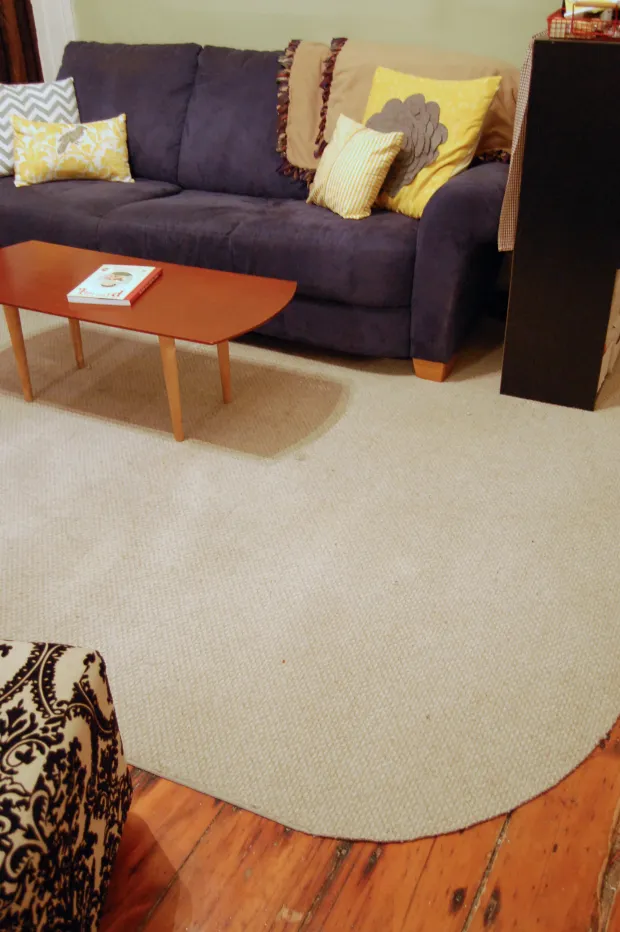
Create a subtle boundary around the study zone. A small screen, bookcase or pinned-up fabric panel can reduce visual distractions, while a rug helps define the space on hard floors. Keep the station close enough for supervision but away from the television and kitchen appliances. In a household where the kitchen is the main social hub, agreed quiet hours and a simple headphone rule may be more realistic than expecting complete silence.
Choose furniture that fits your child
Children grow quickly, so furniture should provide comfortable proportions now without wasting valuable floor space. The child’s feet should rest on the floor or a firm footrest, elbows should sit comfortably at desk height, and the screen should be far enough away to reduce eye strain. A task lamp is useful even in a bright room because Australian afternoons can create sharp patches of glare.
A solid second-hand desk may provide more character and storage than an inexpensive new table, but its dimensions and condition need checking first. A useful guide to buying secondhand furniture covers measuring, construction, damage and missing fixings. Look for stable joints, smooth-working drawers and a surface that can be cleaned; reinforce wobbly legs and check that old screws are firmly tightened before use.
Families can find practical options at Bunnings, Kmart and Target, while Gumtree, Facebook Marketplace, Vinnies and local op shops often advertise cheaper desks, chairs and storage. Spend the saved money on a supportive chair, good lighting or a cable-management box. Those upgrades improve daily comfort and usually matter more than a desk that matches the bedroom furniture.
Create a simple schoolwork system
Organisation works best when each item has one obvious place. Give the station four basic zones: a landing area for the school bag, a vertical file for notes, a desktop space for current work and a small container for pens, pencils and rulers. Colour-coded folders can help younger children, while older students may prefer subject labels that can be changed as their timetable develops.
Make returning belongings part of the homework routine rather than a nightly lecture. A labelled bag hook near the desk keeps the backpack off the floor, and an “inbox” tray can hold permission forms and notices that need action. A visual timer can show when focused work begins and ends, while a finished-work basket prevents completed assignments from disappearing under books.
For older children, a small budget for replacement stationery introduces useful money habits. Although written for a different lifestyle, an account of handling taxes and finances makes the value of deliberate financial tracking easy to see. Adapt that habit into a simple paper ledger showing money available, money spent and supplies still needed before the next shop.
Add character with practical details
Once the practical layout is settled, let the child personalise the study area. Choose a favourite colour for a pinboard, add a small lamp in a shape they like and display a recent achievement. Personal details make the nook feel inviting, but keep the main work surface restrained so books and homework remain the visual focus.
A pre-loved chair or writing desk can give the space personality without requiring a matching set. This guide to mixing vintage finds shows how older pieces can sit comfortably alongside modern furnishings. Sand sharp corners, reinforce joints and add a washable seat pad before adapting a vintage item for everyday study use.
Use removable, age-appropriate decorations rather than permanent wall colour. Corkboard, masking tape and framed cards allow the display to change with the school year. A strip of hooks inside a nearby cupboard can hold headphones, a pencil case or a lunch bag, keeping daily items visible without cluttering the walls.
Build a routine for Australian family life
The physical setting must cope with local conditions as well as the school timetable. Bright summer sun can heat a desk near a western window, especially in Brisbane and inland areas, so position it away from direct afternoon light or add a UV-filter roller blind. Humid coastal days call for wipeable surfaces and a closed pencil case, while Melbourne’s changeable light makes a reliable desk lamp valuable throughout the year.
Build the station into the flow between the school run, afternoon tea, chores and sport. Children may ask for “five more minutes” after a busy day, so agree on a start time and a short settling period rather than expecting instant concentration. A visual schedule showing homework, a break and packing time can reduce bargaining, and an “arvo” snack can remain outside the work zone to prevent crumbs joining the stationery.
At the end of each term, adjust the setup for new books, larger projects or a changed bed height. Replace labels that no longer fit and clear anything the child has stopped using. The measure of success is simple: the schoolbag has a home, required notes reach the desk without a search, and the child can settle into work with less prompting from a tired parent. A station that quietly supports those small wins becomes part of the home rather than another project waiting to be tidied away.